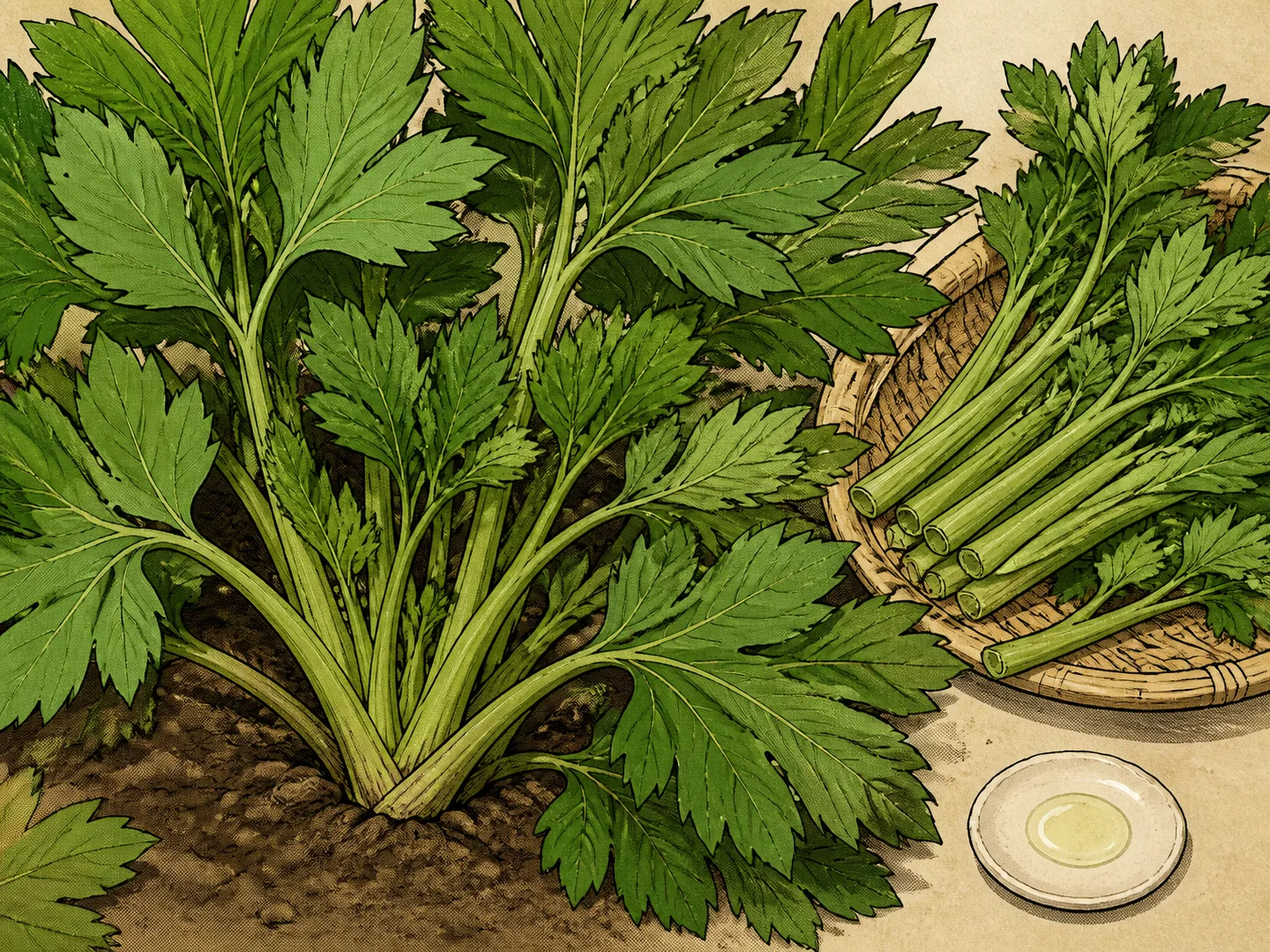
Angelica Keiskei Extract supports softness and antioxidant care
Angelica Keiskei Extract is used to make rough skin feel softer, add antioxidant support, and leave a lightly astringent finish. That combination fits toners and essences for skin that looks dull or feels uneven. Early tone-related studies add context, but the practical cosmetic role remains conditioning plus antioxidant and astringent support.
Angelica Keiskei Extract is a cosmetic extract from the whole Angelica keiskei plant, also known as ashitaba. It is not automatically the same material as Angelica Keiskei Leaf/Stem Extract or Angelica Keiskei Leaf Cell Extract. Those names identify different plant parts or production approaches, so it is not accurate to transfer a study or supplier claim from one directly to another.
What the research has measured
Chalcones are polyphenolic compounds found in ashitaba. A study of five representative chalcones from its stems found reduced melanin formation in B16 melanoma cells. Researchers also examined tyrosinase, which participates in the early stages of pigment production, and antioxidant activity. This explains the interest in tone care, while keeping the tested material clear: isolated stem compounds applied to cells, not a whole-plant face cream.
Check the formula before expecting a result
Angelica Keiskei Extract can appear in toners, ampoules, gels, and creams with other botanical ingredients. In a light formula, assess post-cleanse tightness and whether it layers comfortably under a moisturizer you already use. In a richer cream, oils, silicones, thickeners, and fragrance may shape the feel more than the highlighted extract.
If uneven tone is a priority, do not expect a rinse-off formula or a small amount of a botanical extract to do the main work. Daily sunscreen and a leave-on product with evidence appropriate to your goal are more direct pieces of that decision.
Trying a new ashitaba product
You cannot predict individual sensitivity from a plant name. Fragranced products can cause discomfort because of fragrance or essential oils regardless of whether Angelica Keiskei Extract itself is present. Add one new leave-on product at a time, test a limited area first, and keep other routine steps stable while you observe it.
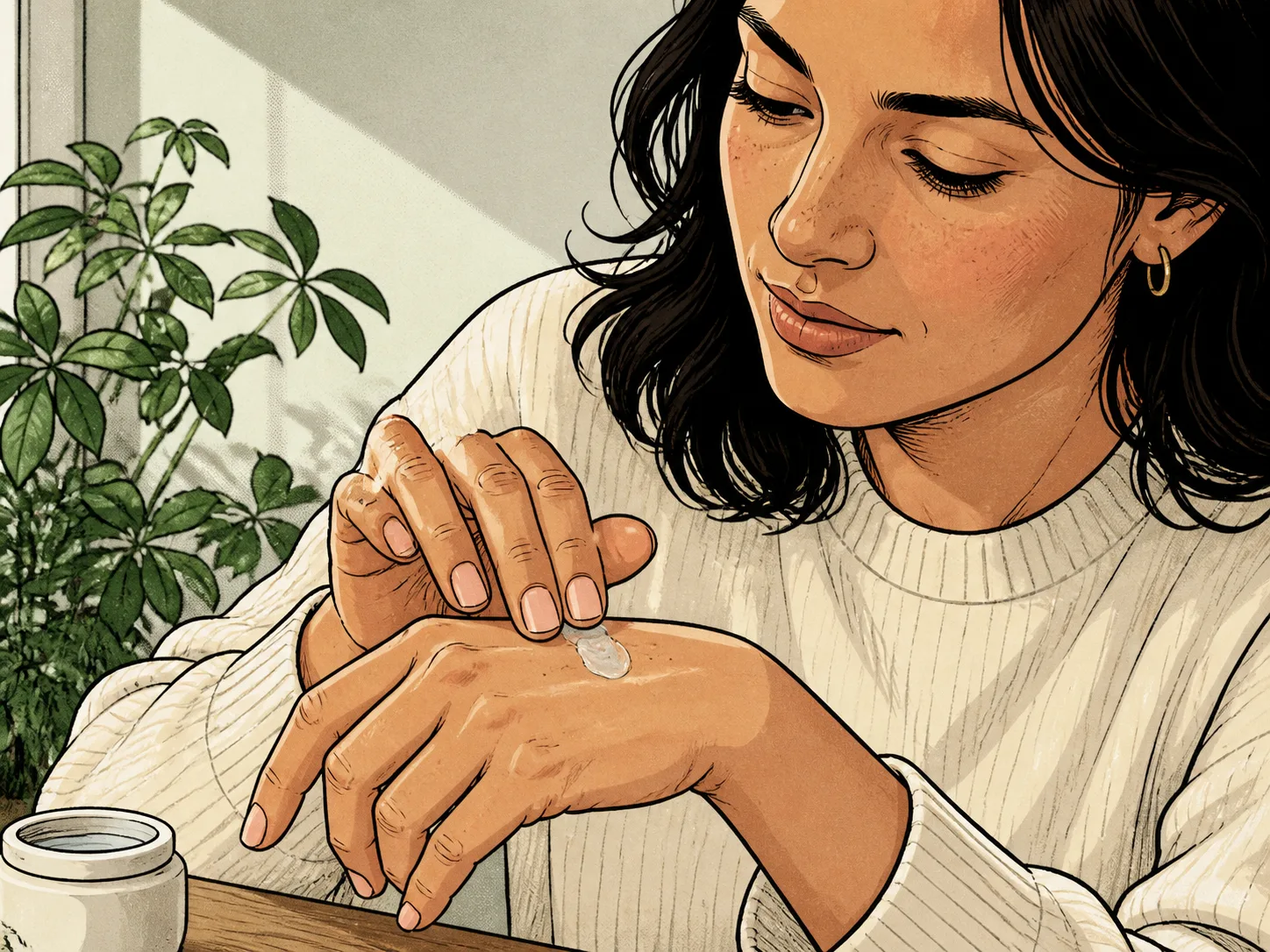
Stop use for burning, repeated itching, persistent redness, swelling, or a rash. A small-area trial may reveal obvious discomfort, but it is not an allergy diagnosis and it does not replace care for a persistent reaction.
Sources used
- Korea Cosmetic Association ingredient referenceKorean standardized name, whole-plant identity, and former name
- ANGELICA KEISKEI EXTRACT – COSMILE EuropeInternational INCI, preparation, and cosmetic functions
- ANGELICA KEISKEI EXTRACT – SpecialChemProfessional cosmetic formulation-function context
- Source from kci.go.krKorean laboratory evidence and limits
- Angelica Keiskei Leaf Cell Extract – BIO-FD&CSupplier example of cosmetic solution format; distinct leaf-cell material is labelled as such
- Ashitaba stem chalcones and melanin formationIngredient mechanism and exact study material.