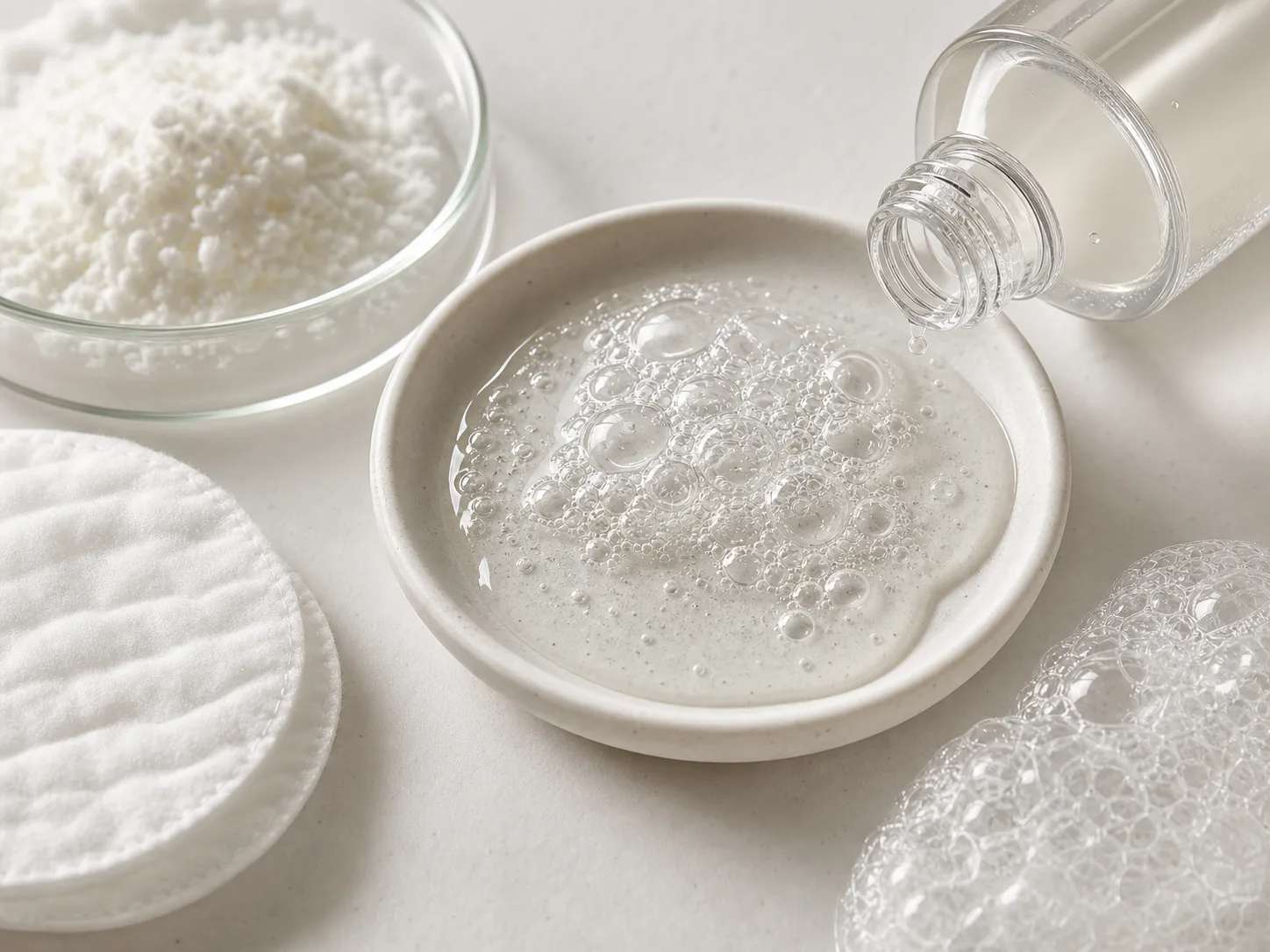
Arachidic Acid adds density and a smooth film
Arachidic Acid is useful when a formula needs a denser cream texture, a smoother surface film, or support for a fatty-acid cleansing system. It does not bind water like glycerin. The benefit is the substantial, cushioned feel it can add to a cream and the role it can play in cleanser structure.
Arachidic Acid is a long-chain saturated fatty acid that appears in the same formulation conversations as palmitic and stearic acids. It is also called eicosanoic acid and has molecular formula C20H40O2: a 20-carbon chain with a carboxylic acid group at one end.
Its main cosmetic story is formulation rather than a dramatic active-skin claim. In creams it can contribute to a soft, dense surface feel; in soaps and cleansers it may be part of a fatty-acid cleansing system.
How it changes slip, cleansing, and softness
A cream containing arachidic acid may feel smoother and more substantial as it spreads. With ceramides, squalane, butters, or fatty alcohols, the finish can leave a longer-lasting cushion on dry areas. It is not a humectant like glycerin, so separate the feeling of water hydration from the feeling of an oil-based protective film.
Long-chain fatty acids can also make a product feel dense or too rich in warm weather. A light lotion and a balm can contain the same ingredient but behave very differently. The ingredient position, neighboring oils and waxes, and amount applied matter.
Why the structure matters
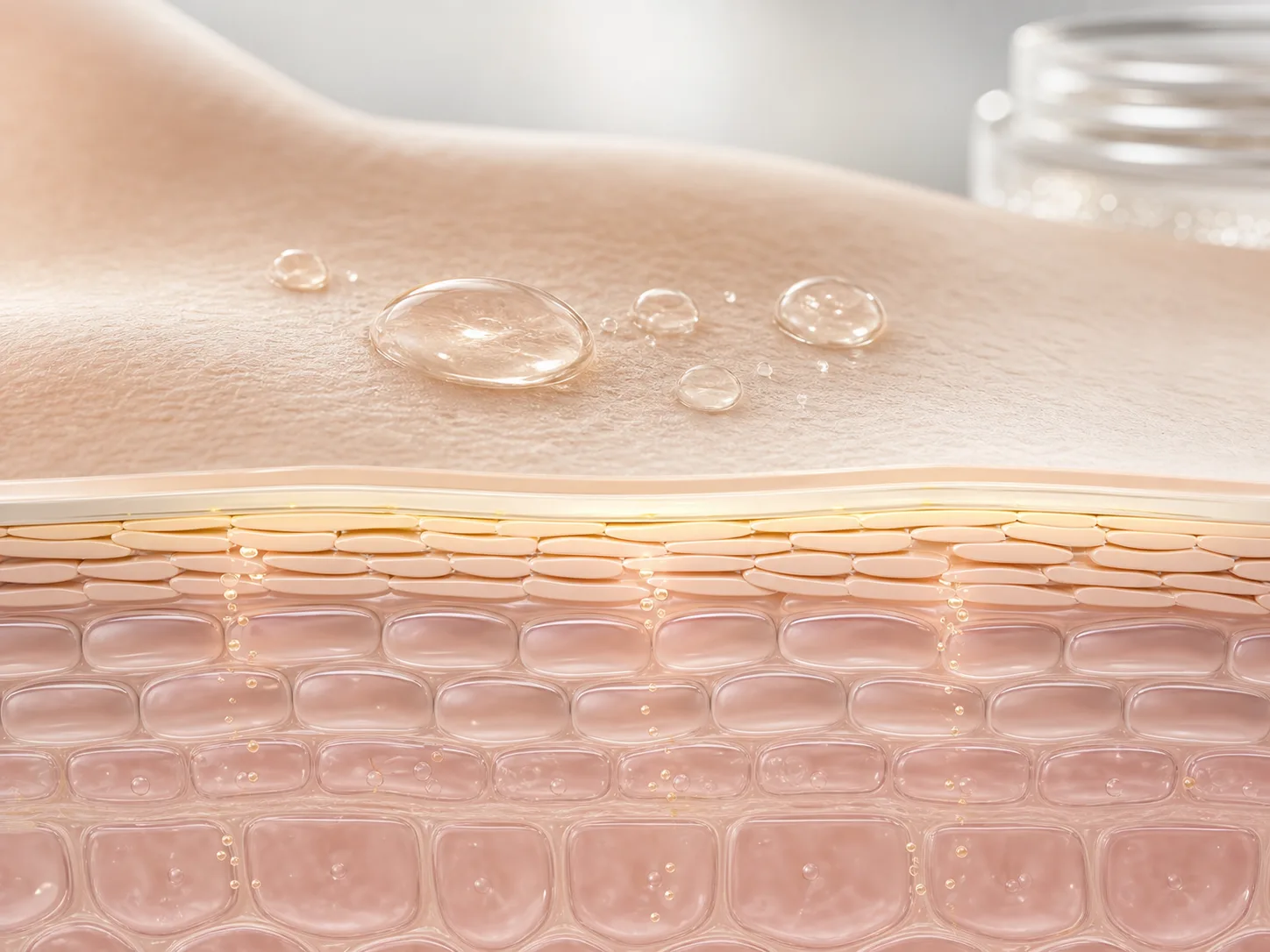
Arachidic acid is one defined molecule with formula C20H40O2. Its long hydrocarbon chain gives it a more oil-compatible character than a water-binding humectant, while the carboxylic acid group defines it as a fatty acid. This is why it is more useful to read it through cream texture and cleansing bases than through a simple hydration claim.
The structure does not predict the exact finish of a product. Concentration, oils, emulsifiers, fatty alcohols, and the rest of the base decide whether the result feels silky, waxy, or heavy.
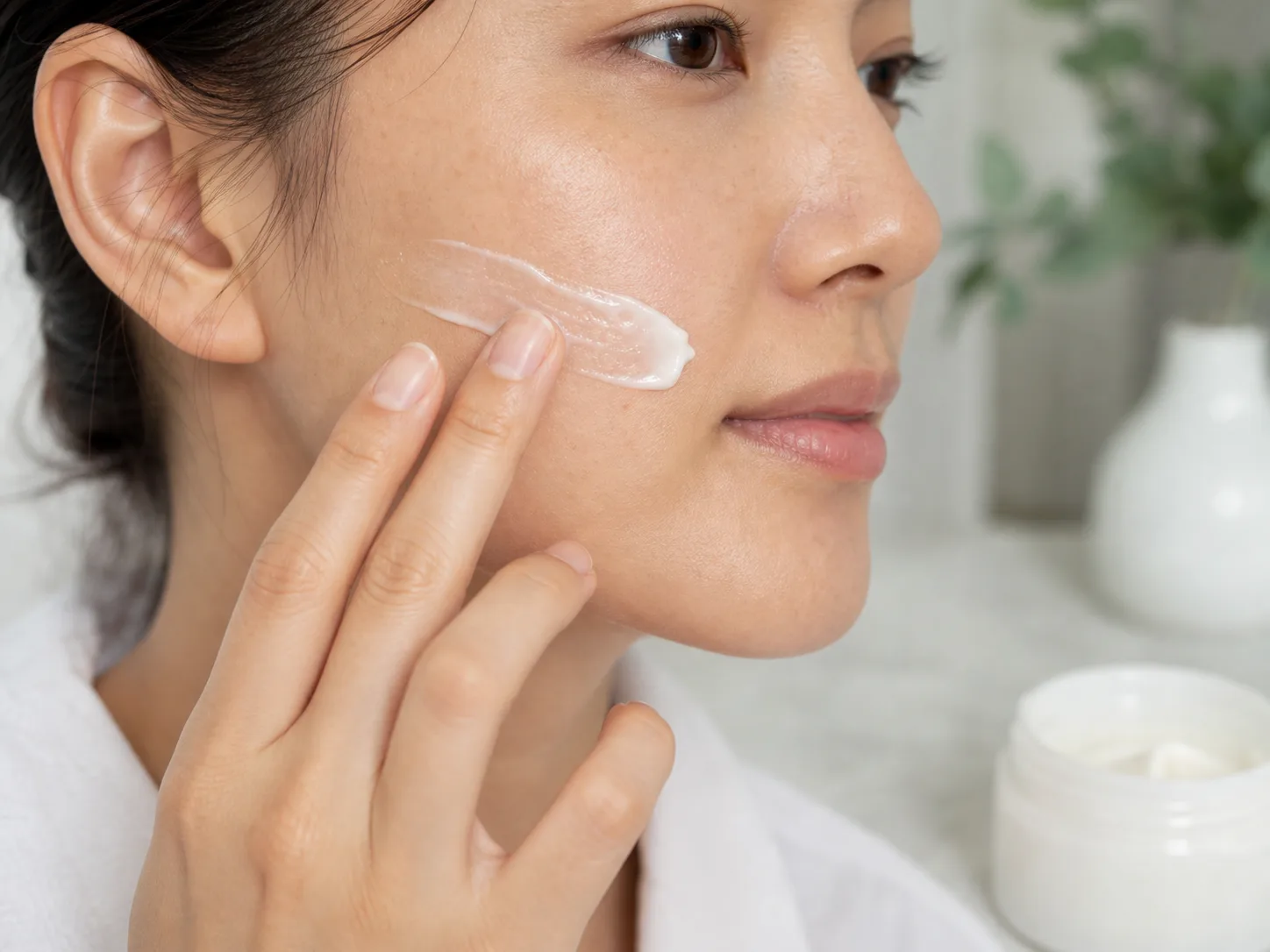
Creams and cleansers
In a cream or balm, arachidic acid can be part of a smooth, dense texture. That may suit dry areas, while oil-sensitive skin may prefer a lighter lotion or a smaller amount. Before makeup, allow the product to settle and check whether it pills.
In a cleanser or soap, rinse feel, foam, post-wash tightness, and surfactant strength matter more than a leave-on moisturizing story. Its presence alone does not make a cleanser gentle; read the full cleansing system.
How much Arachidic Acid to use in each format
Start a new cream with a small amount near the jaw or cheek and check shine and pilling later in the day. Reserve a rich product for dry areas if needed. For a cleanser, judge the skin after rinsing. Repeated redness or itching is a reason to review fragrance, preservatives, and the whole formula.
Arachidic acid is not a primary treatment or brightening active. Its useful place in an ingredient guide is explaining how a fatty acid changes the texture and balance of a finished cosmetic product.
Questions that clarify Arachidic Acid
Is arachidic acid a moisturizer?
It is closer to a fatty acid that softens the surface and helps shape an oil-based texture than to a water-binding humectant.
Should acne-prone skin avoid it?
Not from the name alone. Consider the complete oil and wax system, the amount used, and how the finished product behaves on your skin.
Is arachidic acid the same as eicosanoic acid?
Yes. Arachidic acid and eicosanoic acid are names for the same ingredient.
Sources used
- PubChem Arachidic AcidChemical identity and molecular formula
- CIR Arachidic Acid ingredient statusCosmetic use and safety assessment
- Paula's Choice Arachidic AcidIngredient characteristics and cosmetic use
- SkinSort Arachidic AcidIngredient characteristics and cosmetic use
- Skin Addict Lab Arachidic AcidIngredient characteristics and cosmetic use