What stearic acid is
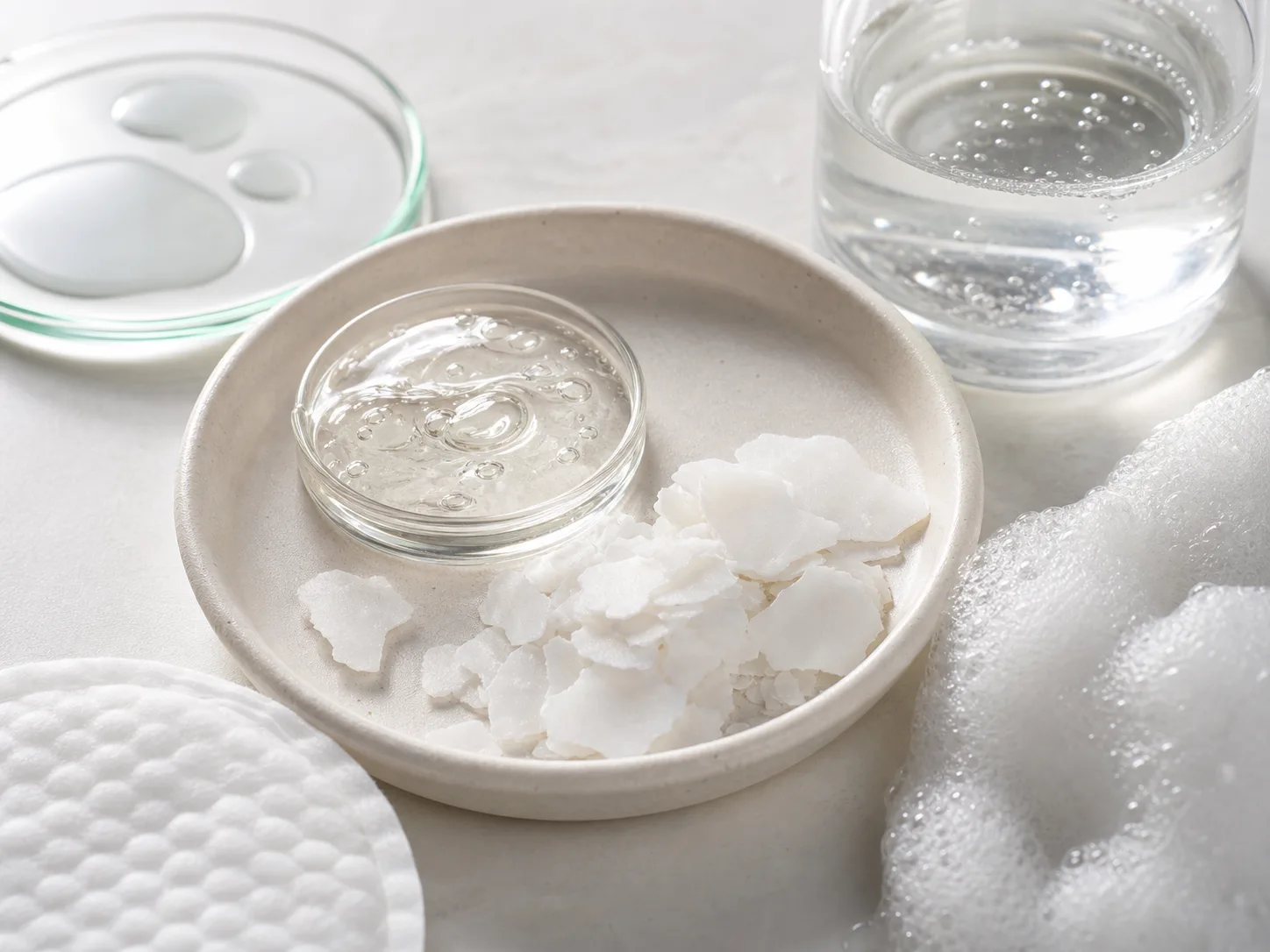
Stearic Acid, also called octadecanoic acid, is a long-chain saturated fatty acid. Its molecular formula is C18H36O2: an 18-carbon chain with a carboxylic acid group at one end. In a skincare ingredient list, its first story is usually cream texture and surface feel, not exfoliation or dramatic brightening.
Formulators use stearic acid as an emollient, texture and viscosity aid, emulsifying support, and part of soap or cleansing systems. The same molecule can therefore feel different depending on whether it sits in a rich cream, a cleansing bar, or a light lotion.
Why this fatty acid changes a cream
Stearic acid has a polar carboxylic-acid end and a long nonpolar 18-carbon chain. The chain associates readily with oils, waxes, and other fatty materials. Because stearic acid is a solid at ordinary room temperature, its crystals can help build a denser network through an emulsion as the formula cools. That raises viscosity and gives a cream more body and cushion.
It rarely does this job alone. Fatty alcohols, glyceryl stearate, surfactants, and the oil phase decide whether the network feels silky, waxy, draggy, or rich. This is why the same INCI can appear in both a light lotion and a dense balm without producing the same finish.
Alkali changes its role again. When the acid is neutralized with sodium or potassium hydroxide, it forms stearate salts with a water-friendly charged head and an oil-friendly tail. Those salts behave as surfactants in soap and cleansing systems, surrounding oily soil so water can carry it away. Unneutralized stearic acid in a cream should not be described as if it were automatically a cleanser.
What it can feel like on skin
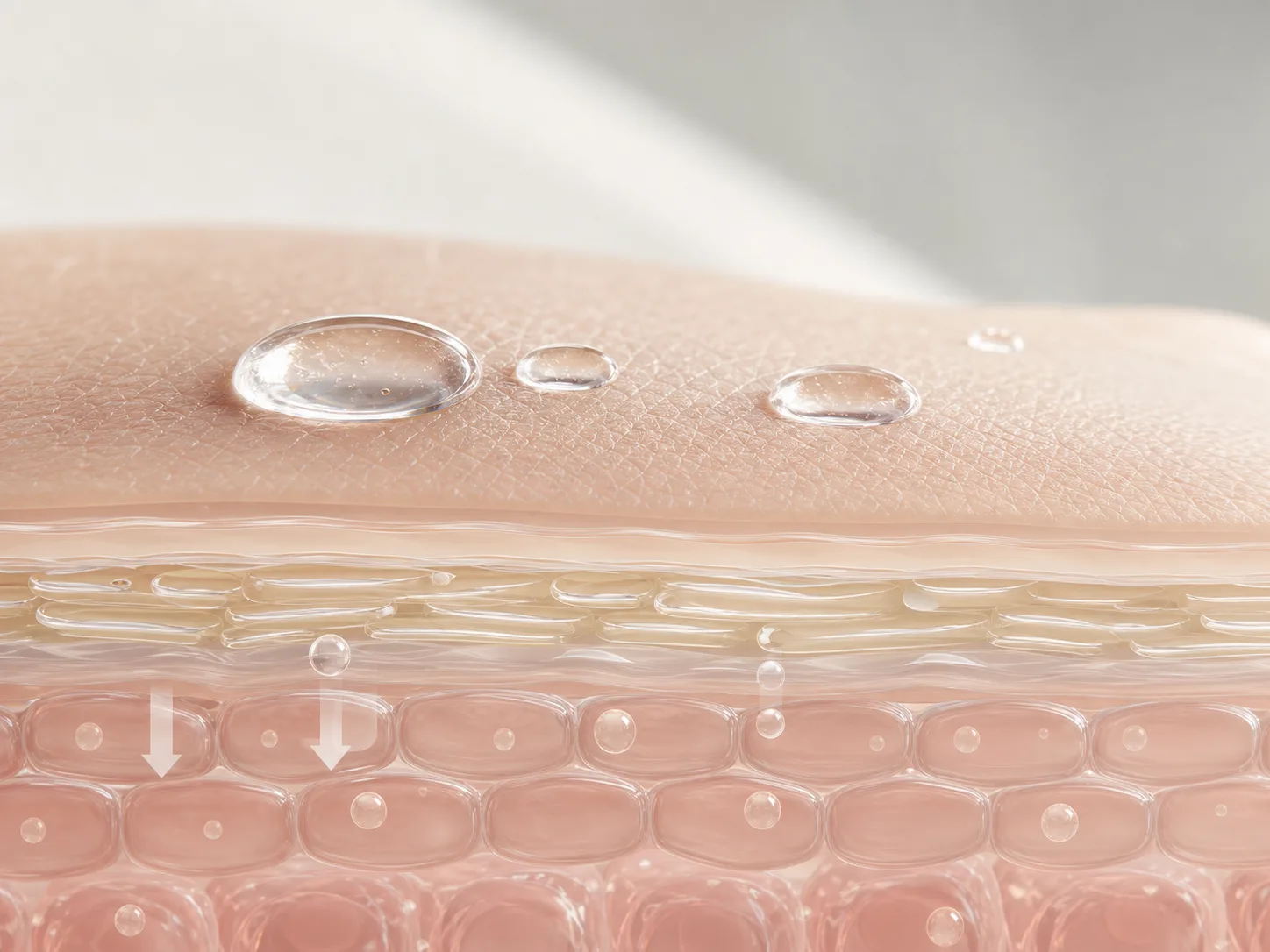
A stearic-acid cream may leave skin smoother and less tight. The long hydrocarbon chain contributes to a soft, cushioned surface, especially alongside oils, fatty alcohols, silicones, or butters. That result belongs to the whole base rather than to stearic acid acting alone.
Calling it simply a moisturizer misses its formulation role. It can change firmness, spread, emulsion stability, and the slippery after-feel of a cleansing system. Two products with the same INCI can feel completely different when the amount and neighboring ingredients change.
Does Stearic Acid clog pores?
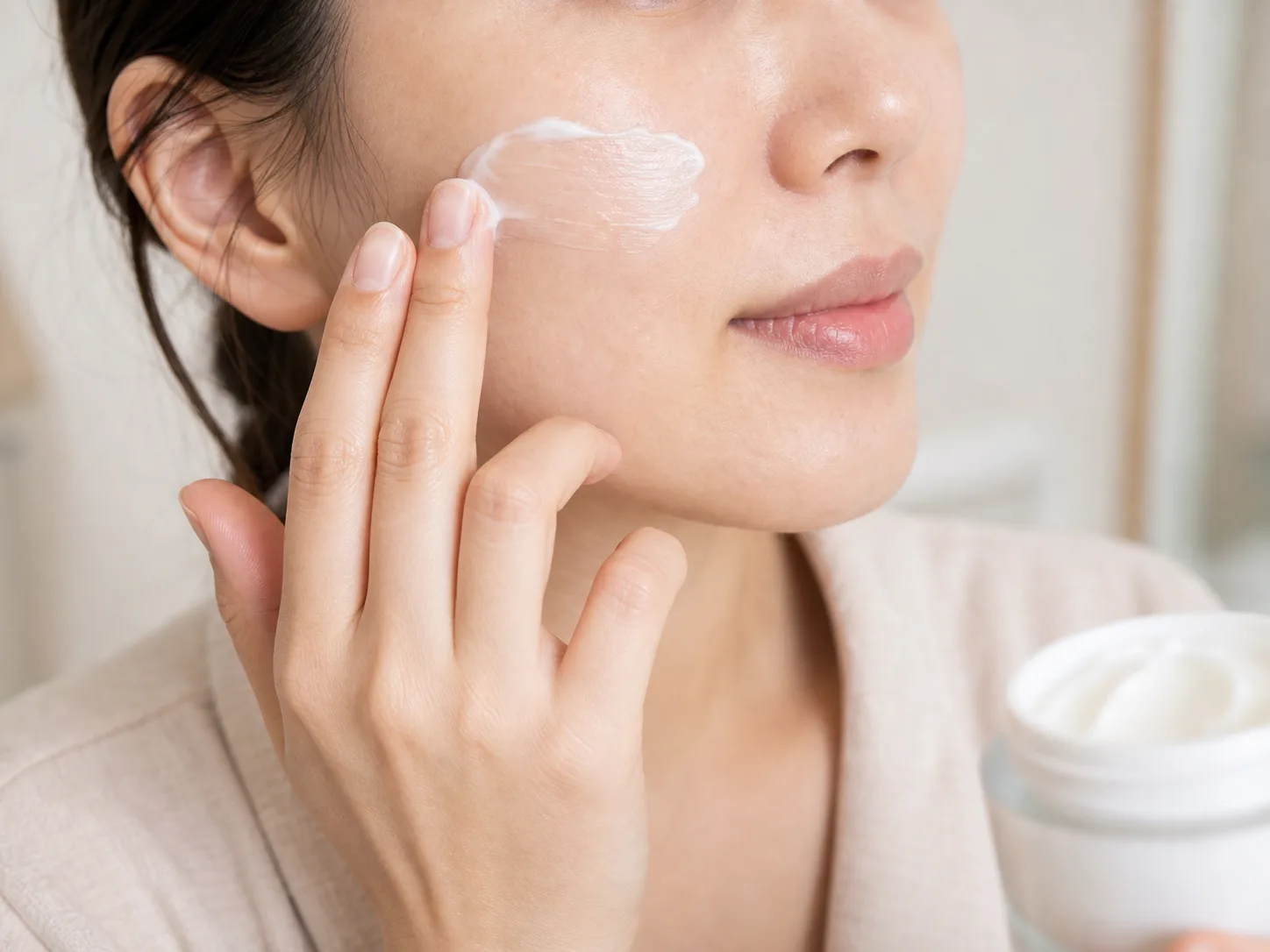
Some people worry about acne or clogged pores when they see stearic acid. The ingredient name alone cannot predict every finished-product reaction. Applying a pure fatty acid is not the same condition as using a small amount dispersed in a tested cream. Oils, waxes, fragrance, amount applied, and the skin’s own oiliness all contribute.
If rich products feel heavy, compare how quickly the cream settles, whether shine or pilling appears later, and whether makeup sits comfortably on top. Dry skin may value the cushion created by stearic acid, ceramides, squalane, and fatty alcohols. Oilier skin may prefer a lighter base even when both products contain the same fatty acid.
Cream, cleanser, and soap are different
In a cream or balm, stearic acid is usually part of the dense, protective texture. In a soap or cleanser, it can take part in the fatty-acid cleansing system, so foam, rinse feel, and post-wash tightness become the relevant experience. A body cream can also use a heavier finish than a facial lotion without that being a defect.
Look at the nearby ingredients. Cetearyl alcohol, glyceryl stearate, shea butter, and mineral oil suggest a richer cushion. Water, glycerin, and lightweight esters can make a formula with stearic acid feel less occlusive.
Match the Stearic Acid product type to your skin
Try a new cream on a small area near the jaw or cheek overnight. If the finish feels heavy, use less or reserve it for dry areas. For a cleanser, judge the product by the after-wash feel; for a cream, notice later shine, pilling, and tightness rather than deciding from the INCI alone.
CIR safety reviews address cosmetic use patterns and concentrations. They do not remove every person’s chance of contact irritation or make a fragrance-heavy finished formula feel light. Repeated redness or itching is a reason to reassess the whole product.
Questions that clarify Stearic Acid
Is stearic acid a moisturizer?
It is better understood as a fatty acid that softens the surface and helps create a cream’s texture and cushion. It does not work like glycerin, which attracts water.
Should acne-prone skin avoid it?
Not automatically. The oil and wax system, the amount used, and the finished texture matter more than the isolated name.
Does it do the same thing in soap and cream?
The molecule is the same, but its job in the formula can differ. It contributes to cleansing systems in soap and to texture and surface comfort in creams.
Sources used
- Cosmetic Ingredient Review - Stearic AcidCosmetic use and safety assessment
- PubChem - Stearic AcidChemical identity and molecular formula
- Paula's Choice - Stearic AcidIngredient characteristics and cosmetic use
- AccessDermatologyDxRx - Stearic AcidIngredient characteristics and cosmetic use
- Medical News Today - Stearic AcidIngredient characteristics and cosmetic use
- Cosmetics Info: Stearic AcidConsumer-facing cosmetic ingredient context for Stearic Acid.