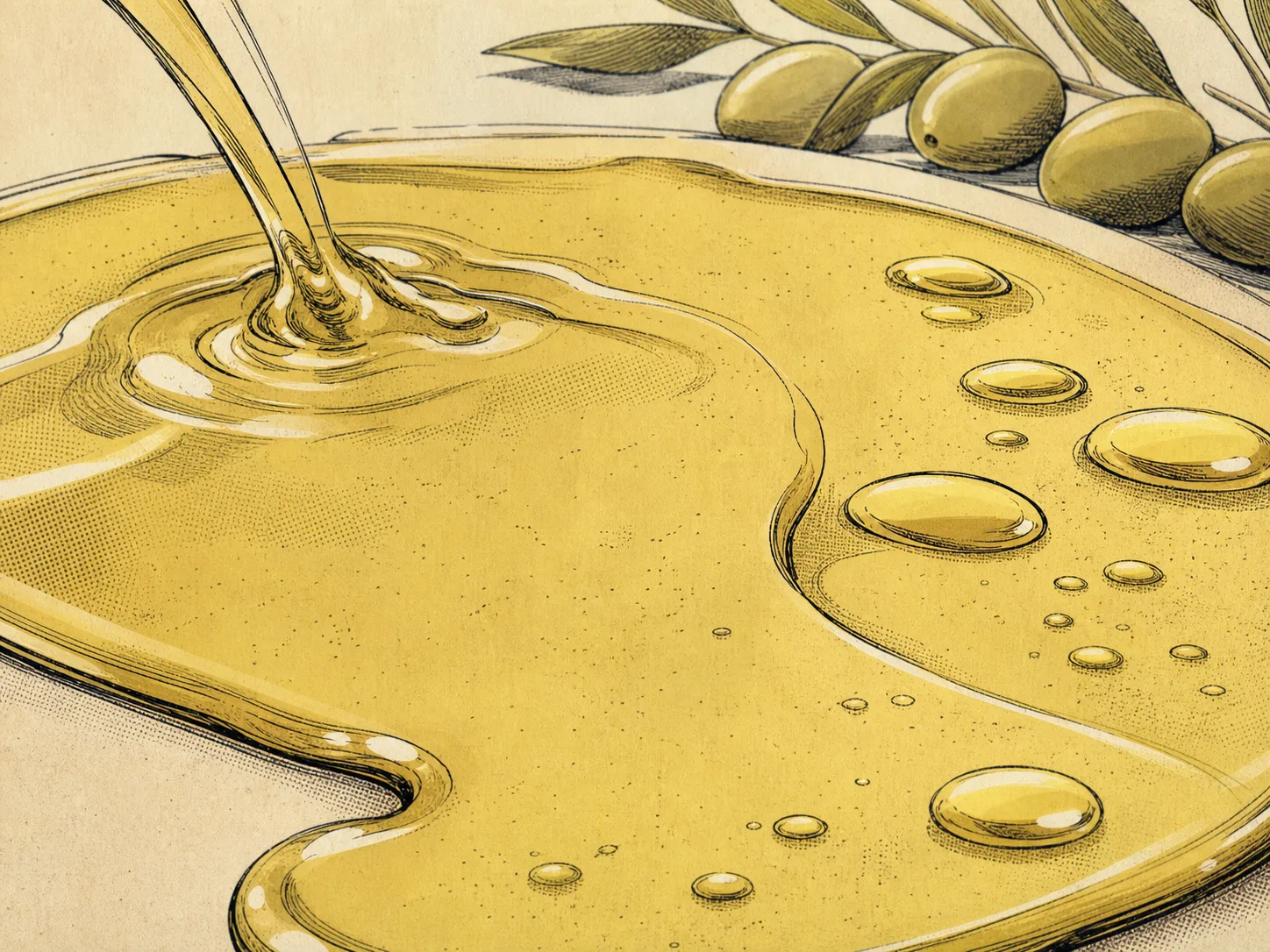
Oleic Acid gives rough skin a softer emollient film
Oleic acid helps oils and creams spread easily and leaves rough skin feeling softer. It does not attract water like glycerin. Instead, it helps the surface feel smoother and supports the oil phase that slows moisture loss from a formula.
Oleic acid is a monounsaturated fatty acid. Cosmetic lists use the name Oleic Acid, and its molecular formula is C18H34O2. It is associated with olive oil, but oleic acid is only one fatty acid within a plant oil that also contains other lipids and minor compounds.
What the skin benefit feels like
More oleic acid does not automatically mean a comfortable finish. The oil blend, the balance of other fatty acids, waxes, silicones, fragrance, and application amount all matter. If rich oils usually feel heavy, check shine and pilling several hours later rather than judging from the INCI alone.
Why the structure matters
Oleic acid has an 18-carbon chain with one double bond. The bend in that chain helps explain its flexible oil feel compared with a fully saturated fatty acid. Structure alone still cannot predict whether a finished product will feel light or rich. Concentration, neighboring oils, and the emulsifying system can turn the same ingredient into a light lotion or a dense balm.
Oils, creams, and cleansers
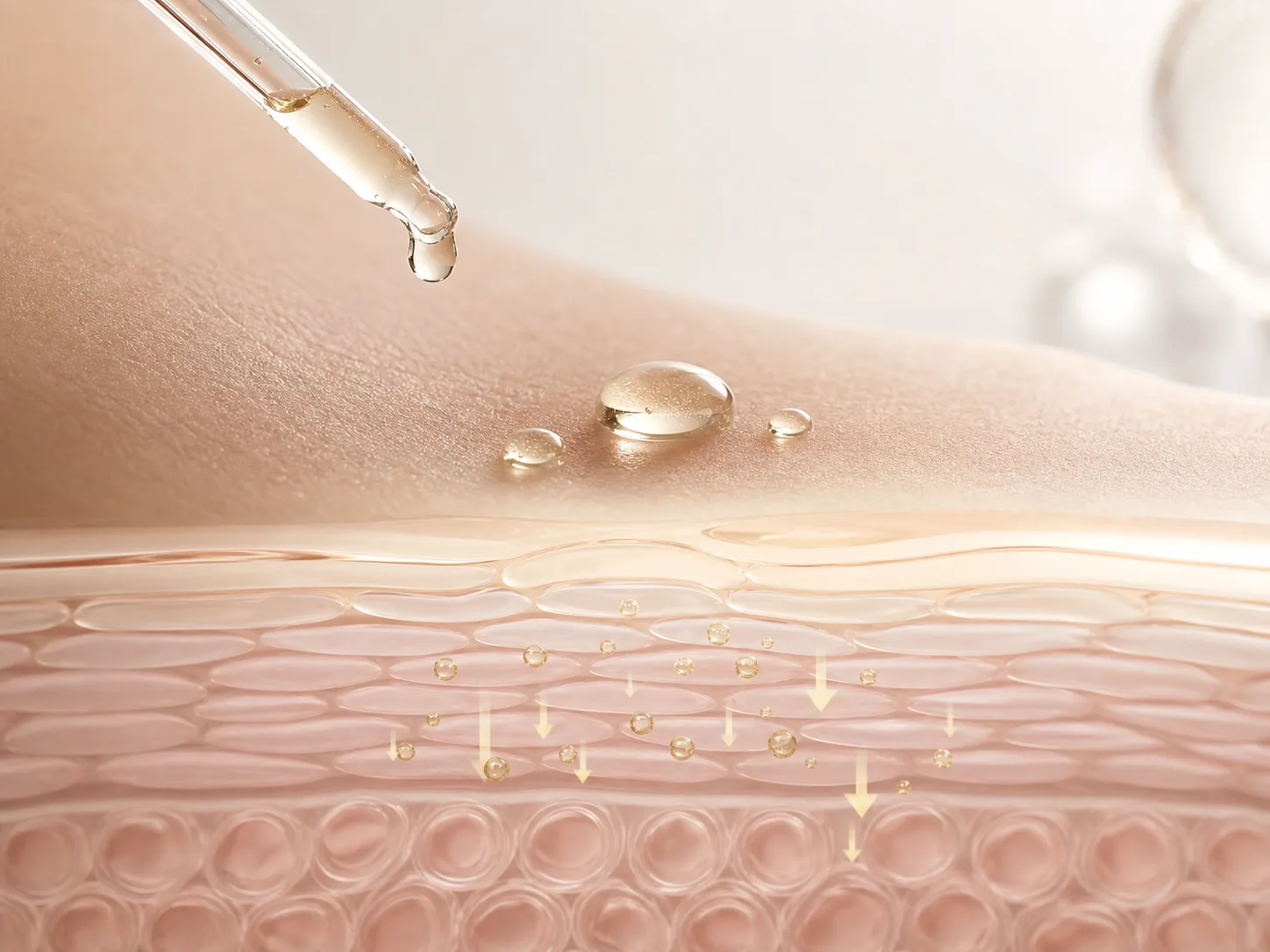
In a facial oil, the main experience is slip, shine, and a flexible surface feel. Dry cheeks may appreciate that cushion, while oil-sensitive skin may prefer a smaller amount. In a cream with ceramides, cholesterol, and fatty alcohols, oleic acid can be part of a protective dry-skin texture.
In a cleanser, the surfactant system and rinse feel matter more than a leave-on moisturizing claim. Notice post-wash tightness, residue, and fragrance rather than assuming the fatty acid makes the cleanser gentle.
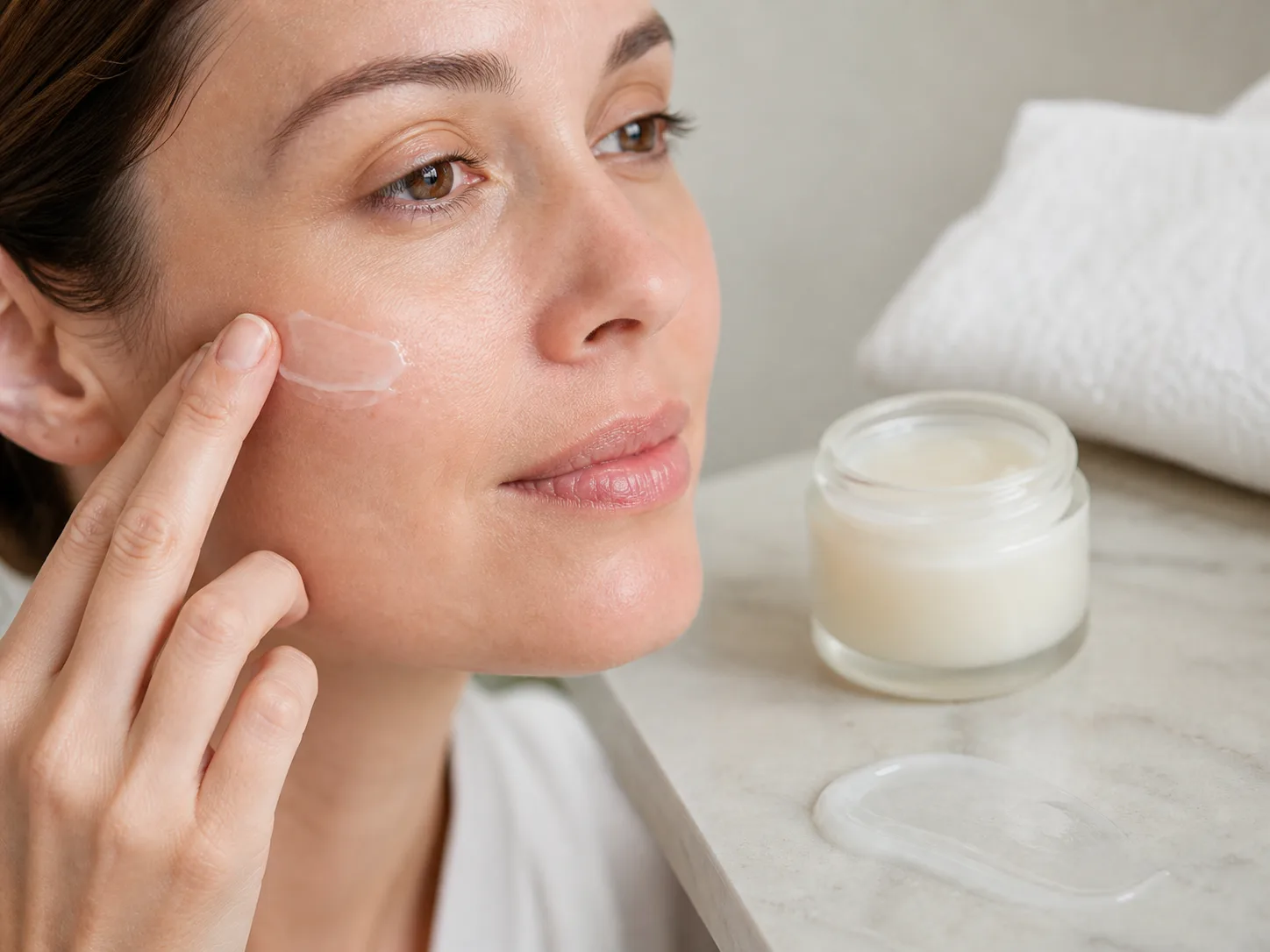
Start with a small amount
Patch test a new oil or cream near the jaw or cheek and check the finish the next day. If it feels heavy, reserve it for dry areas or use less. Acne-prone skin does not need to reject the name automatically, but the complete oil and wax base deserves attention.
Sources used
- PubChem Oleic AcidChemical identity and molecular formula
- CIR Oleic Acid safety assessmentCosmetic use and safety assessment
- 대한화장품협회 지방산 자료Cosmetic use and safety assessment
- 닥터오라클 올레익애씨드Ingredient characteristics and cosmetic use
- Cosmetic Science Oleic AcidIngredient characteristics and cosmetic use
- Cosmetics Info: Oleic AcidCosmeticsInfo.org is your source for information about cosmetics and personal care products