What palmitic acid is
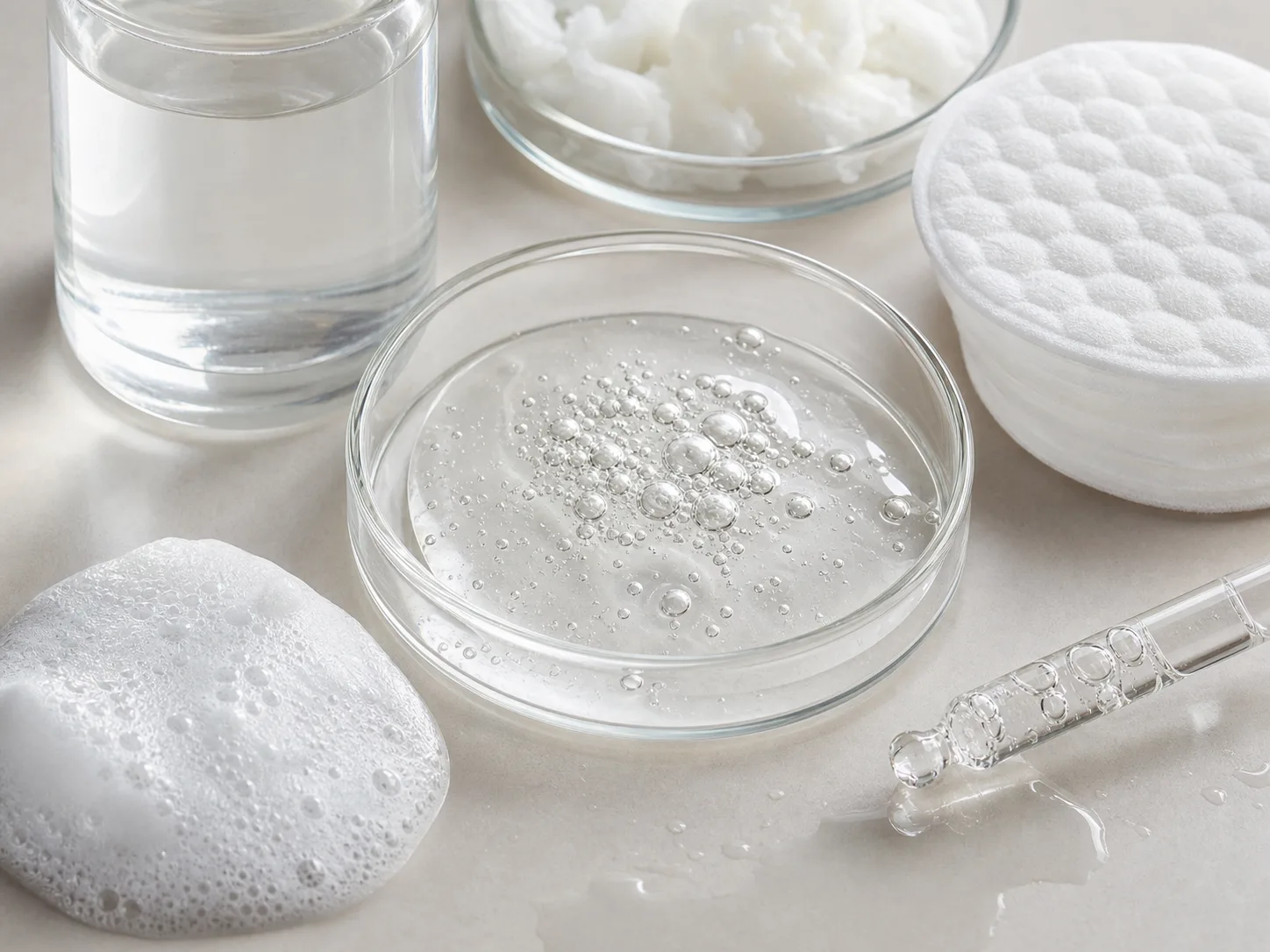
Palmitic Acid, also called palmitic acid or hexadecanoic acid, is a saturated fatty acid with molecular formula C16H32O2. It has a 16-carbon chain and a carboxylic acid group at one end. That structure helps explain why it is useful in dense, smooth cosmetic textures. Palmitic acid is not primarily a brightening or exfoliating ingredient. In cosmetics it is used as an emollient, texture aid, and part of emulsifying or soap systems. It helps explain the feel of a formula more than it promises a dramatic change in skin.
What the skin benefit actually feels like
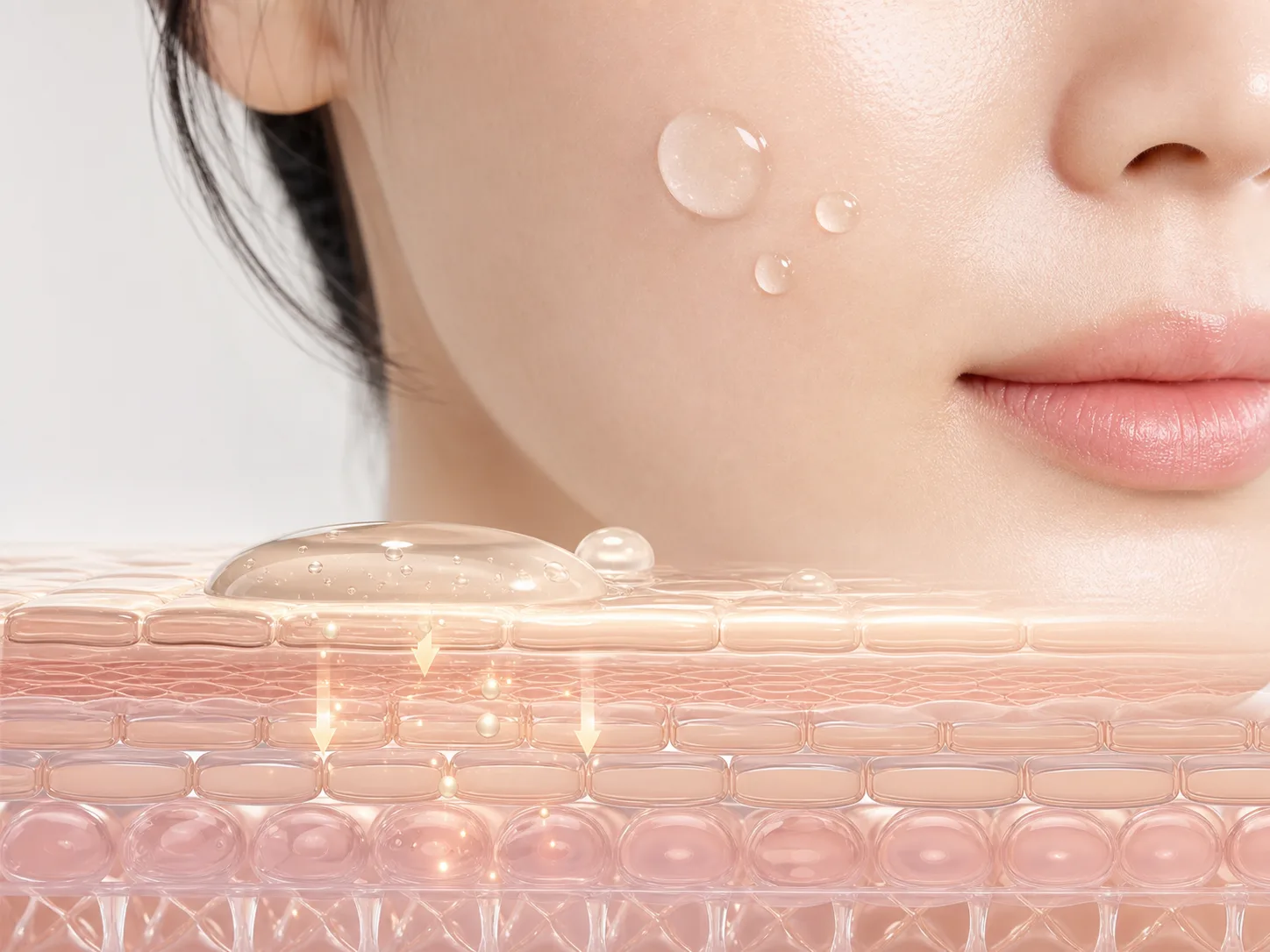
A cream containing palmitic acid can leave the surface softer and give the formula a longer-lasting cushion. Alongside shea butter, squalane, ceramides, oils, or fatty alcohols, it can make a dry area feel less rough and give the cream more body as it spreads. It does not attract water in the same way as glycerin or hydroxyethyl urea. Those are humectant ingredients; palmitic acid is closer to the part of a formula that softens the surface and reduces the feeling of exposure. Keeping those roles separate makes product descriptions more useful.
Creams and cleansers do different things
In creams and balms, palmitic acid is usually part of a dense, creamy texture. Fatty alcohols, oils, and waxes nearby can make the finish feel protective and lasting. That can suit dry skin, while oilier skin may find the same finish heavy or prone to pilling under makeup. In a cleanser or soap, the fatty acid can participate in the cleansing system. The relevant questions are then the foam, rinse feel, and post-wash tightness rather than a leave-on moisturizing effect. Surfactants and the rest of the cleanser base will usually shape the experience more strongly.
Does palmitic acid clog pores?
Some readers associate palmitic acid with clogged pores, but the isolated ingredient name cannot predict every finished-product reaction. Pure fatty acid applied on its own is a different exposure from a small amount dispersed in a tested cream. Oils, waxes, fragrance, amount used, and the skin’s oiliness all matter. If rich products feel uncomfortable, notice shine and pilling a few hours after application instead of judging from the INCI alone. Dry skin may appreciate the cushion of palmitic acid with ceramides, while a lighter lotion may be easier in warm weather or before makeup.
How much Palmitic Acid to use in each format
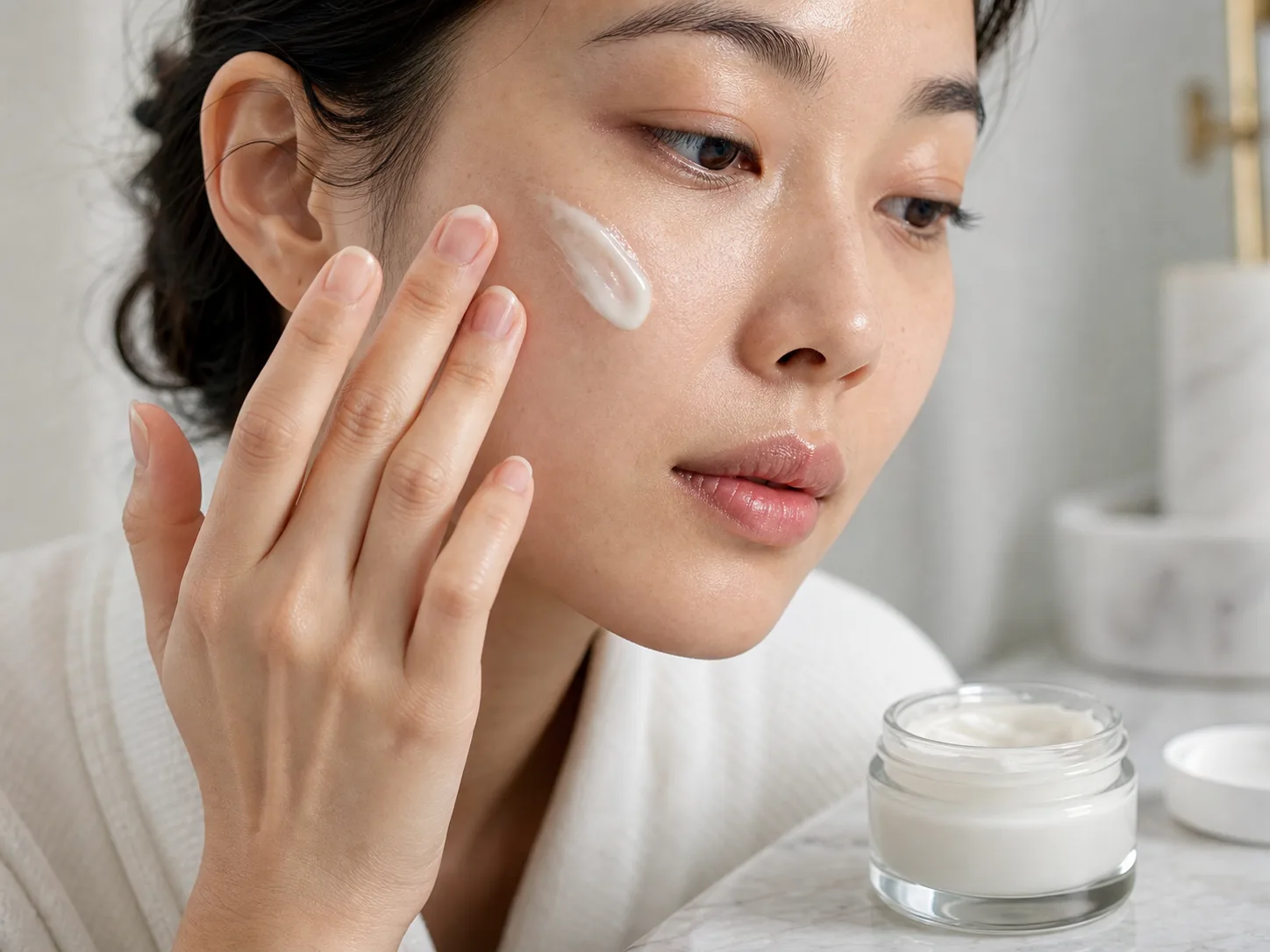
Apply a new cream to a small area near the jaw or cheek overnight. If it feels heavy, use less or reserve it for dry areas. For a cleanser, judge the after-wash feel; for a cream, notice later shine, pilling, and tightness. CIR safety materials address cosmetic use patterns and concentrations. They do not predict every person’s contact reaction or make a fragrance-heavy formula feel light. Repeated redness or itching is a reason to reconsider the whole product.
Questions that clarify Palmitic Acid
Is palmitic acid a moisturizer?
It is best understood as a fatty acid that softens the surface and helps create a cream’s texture and cushion. It does not attract water like glycerin.
Should acne-prone skin avoid it?
Not automatically. The oil and wax system, finished texture, amount used, and skin context matter more than the isolated name.
Is palmitic acid the same as hexadecanoic acid?
Yes. Hexadecanoic acid is the systematic chemical name for palmitic acid.
Sources used
- PubChem Palmitic AcidChemical identity and molecular formula
- Cosmetic Ingredient Review - Palmitic AcidCosmetic use and safety assessment
- 쿠스 팔미틱애씨드 성분 카드Ingredient characteristics and cosmetic use
- SpecialChem Palmitic Acid INCIIngredient characteristics and cosmetic use
- Paula's Choice - Palmitic AcidIngredient characteristics and cosmetic use
- Cosmetics Info: Palmitic AcidCosmeticsInfo.org is your source for information about cosmetics and personal care products