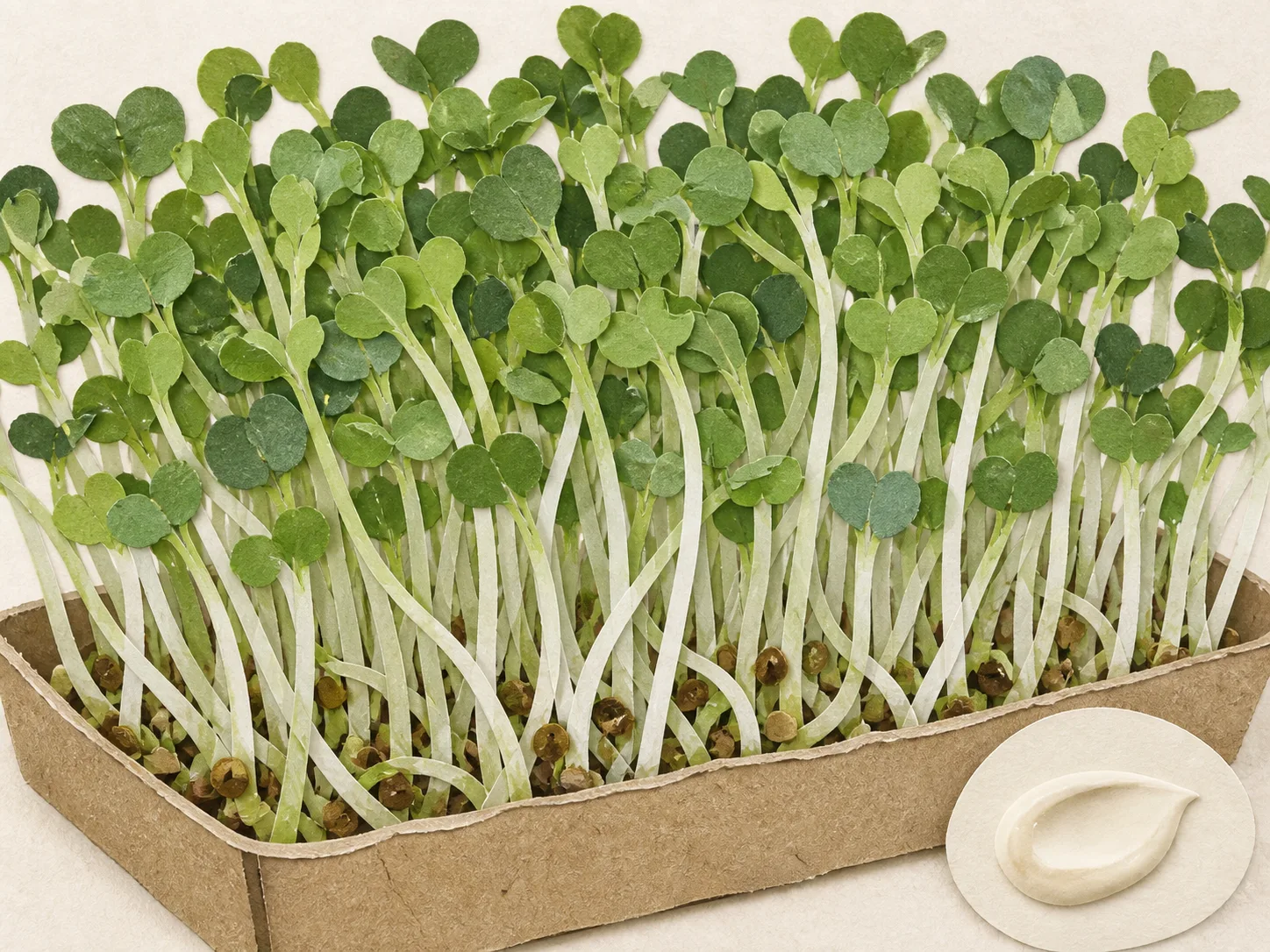
A broccoli sprout extract is not every form of broccoli
Brassica Oleracea Italica (Broccoli) Sprout Extract comes from young broccoli sprouts. It is used to soften skin and appears in antioxidant products because of research on sprout-derived sulforaphane. Cosmetic databases classify the extract as an emollient or skin conditioner.
That is not the same as a broccoli floret, seed, seed oil, juice, or an oral broccoli supplement. Plant part and extraction method change the composition and raw-material specification. The word Sprout in the INCI is therefore important. Evidence about a different broccoli material should not be converted automatically into a claim for this exact cosmetic ingredient.
Why sulforaphane is studied for skin
Sulforaphane helps switch on the cell’s own protective enzymes. Through the Nrf2 pathway, cells increase proteins that handle reactive compounds, including NQO1. In a human skin study, a sulforaphane-containing sprout extract increased NQO1 activity after topical application. This differs from sunscreen, which reduces the ultraviolet radiation reaching skin. A cosmetic extract must contain a suitable, stable amount of sulforaphane to be comparable to that study.
Toner, serum, and cream are different experiences
In a toner or pad, rubbing pressure, alcohol, fragrance, liquid load, and contact time can determine comfort more than the highlighted extract. On reactive days, press a saturated pad gently or apply the essence with hands instead of repeated swiping. A plant-derived ingredient does not cancel friction.
In a serum, humectants and texture polymers create much of the slip and temporarily plumped look. A smooth finish after application often reflects a hydrated surface and more even light reflection, not an instant structural change below the surface. Dry skin may need an emollient moisturizer over a light serum to reduce the feeling of water loss.
In a cream, ceramides, cholesterol, fatty acids, squalane, and fatty alcohols can matter more to lasting comfort. A watery gel containing Broccoli Sprout Extract is not automatically a substitute for a barrier-focused moisturizer. Pick the format for your skin’s need for water, oil, and finish.
Introducing a new formula carefully
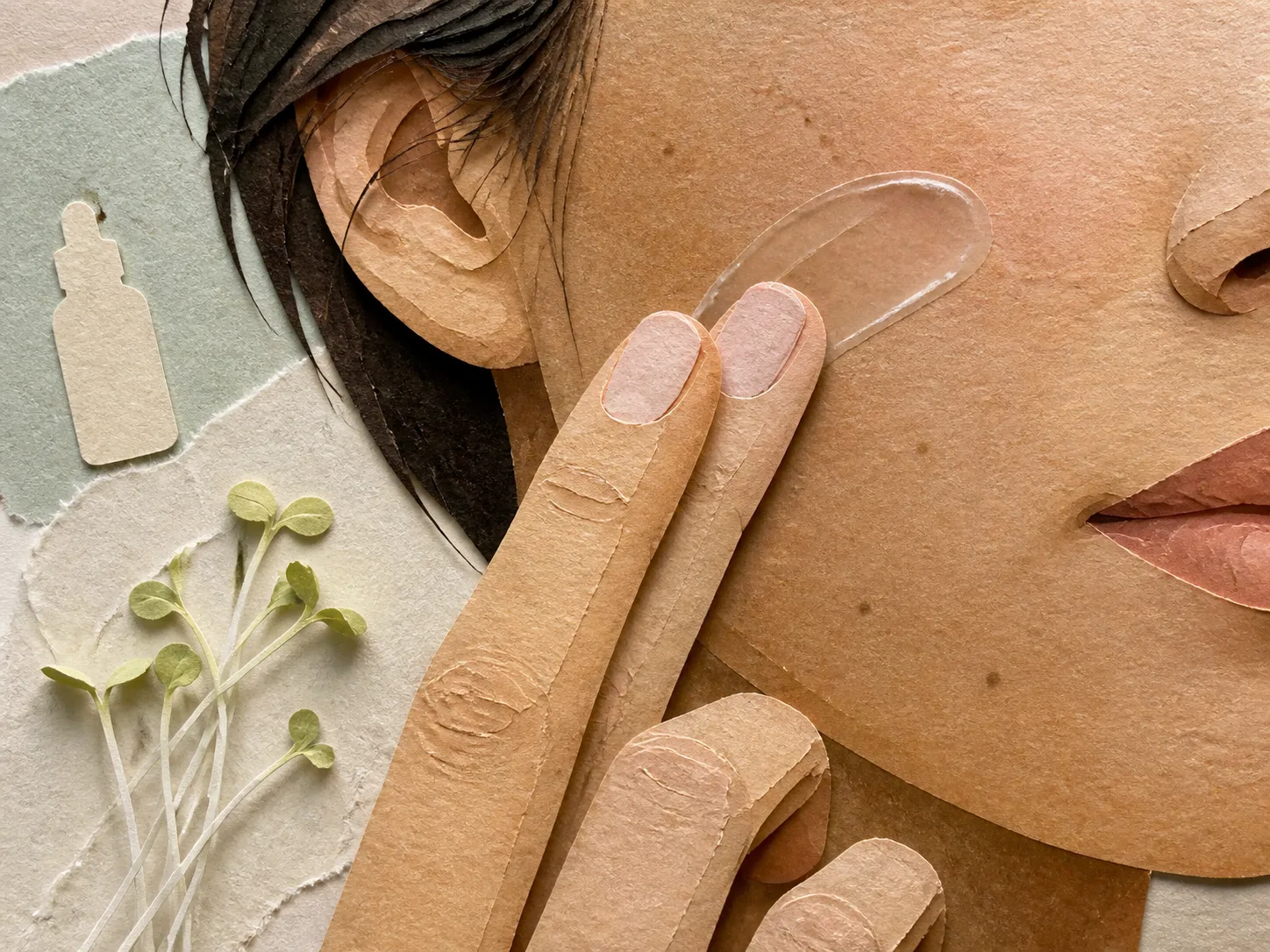
Try a small amount near the jaw or behind the ear before full-face use. This is not diagnostic patch testing, but it can reveal immediate discomfort. Avoid starting several new products, strong exfoliants, or a retinoid in the same few days; otherwise it becomes difficult to identify the source of irritation.
Stop if you develop persistent itching, burning, redness, or swelling. The cause could be fragrance, preservatives, acids, other botanical extracts, or pad friction rather than this particular extract. “Plant-derived” is not a guarantee that every person will tolerate a formula.
Sources used
- Korea Cosmetic Association ingredient reference
- EU CosIng - BRASSICA OLERACEA ITALICA SPROUT EXTRACT
- Source from coos.kr
- EWG Skin Deep - Broccoli Sprout Extract
- ORYZA - Broccoli Sprout Extract technical sheet
- Randomized split-body topical broccoli sprout extract trialBenefit evidence, study conditions, and what the research actually shows.
- Sprout Extracts in Skin Care and Hair Growth: Evidence and Future Opportunities
- Bionutricia Extract - Broccoli article
- Topical broccoli sprout extract and human skin NQO1Ingredient mechanism and exact study material.