Tangerine extract and vitamin C are not interchangeable
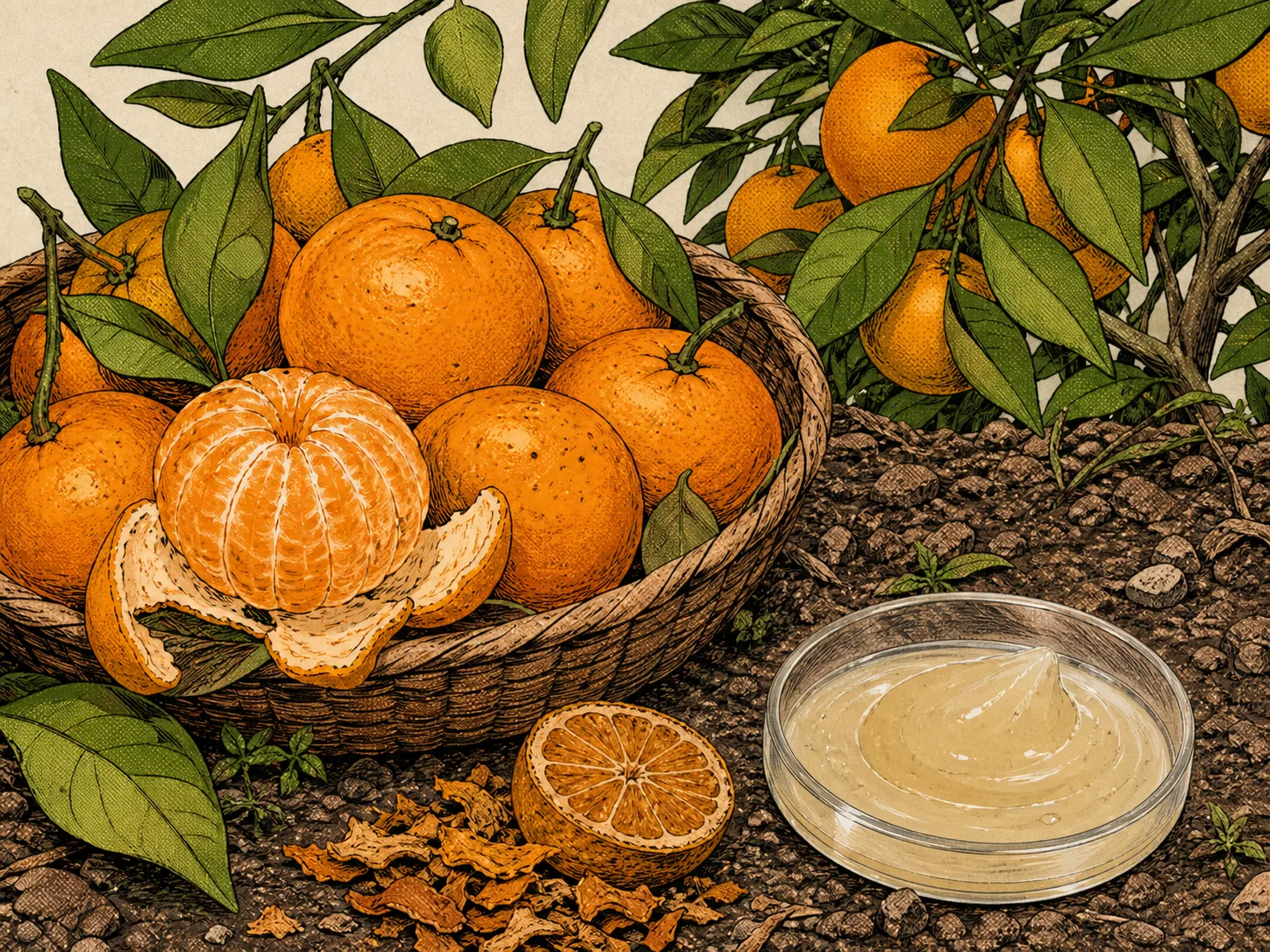
Citrus Tangerina (Tangerine) Extract is the INCI name for a botanical extract obtained from the tangerine plant. It contains a mixture of plant compounds whose proportions can change with the cultivar, plant part, solvent, and extraction process. It is therefore different from ascorbic acid, a defined vitamin C molecule with a specific chemical formula.
The distinction is easy to miss because green-tangerine and citrus serums are often presented with a bright, vitamin-rich identity. On an ingredient list, however, tangerine extract and vitamin C appear as separate entries. Ascorbic acid, 3-O-ethyl ascorbic acid, sodium ascorbyl phosphate, and other derivatives should be named individually when they are present.
A large percentage printed next to a botanical extract does not reveal its vitamin C or flavonoid concentration either. That number can describe an extract solution that includes water and extraction solvents. Two formulas advertising similar amounts of tangerine extract may consequently deliver very different amounts of identifiable plant compounds.
The useful benefit is an antioxidant and skin-freshening role
Cosmetic ingredient references describe Citrus Tangerina Extract primarily as a skin-conditioning or tonic ingredient. In ordinary use, that means it can support a formula designed to leave the surface feeling fresh, comfortable, and smoother rather than acting like a stand-alone pigment treatment.
Tangerine peel contains flavonoids such as naringin and hesperidin. Research on peel extracts from Korean citrus varieties has also found antioxidant activity in laboratory tests. Those findings give formulators a reasonable basis for using the extract in antioxidant serums and moisturizers intended for skin exposed to sunlight, dryness, and urban environmental stress.
The laboratory result is not the same as a clinical brightening result on human skin. If a hydrating citrus serum makes skin look clearer soon after application, water-binding ingredients may have softened dry surface texture and improved light reflection. That visible glow is useful, but it should not be confused with the gradual reduction of excess pigment.
Which ingredients in the serum address dark spots?
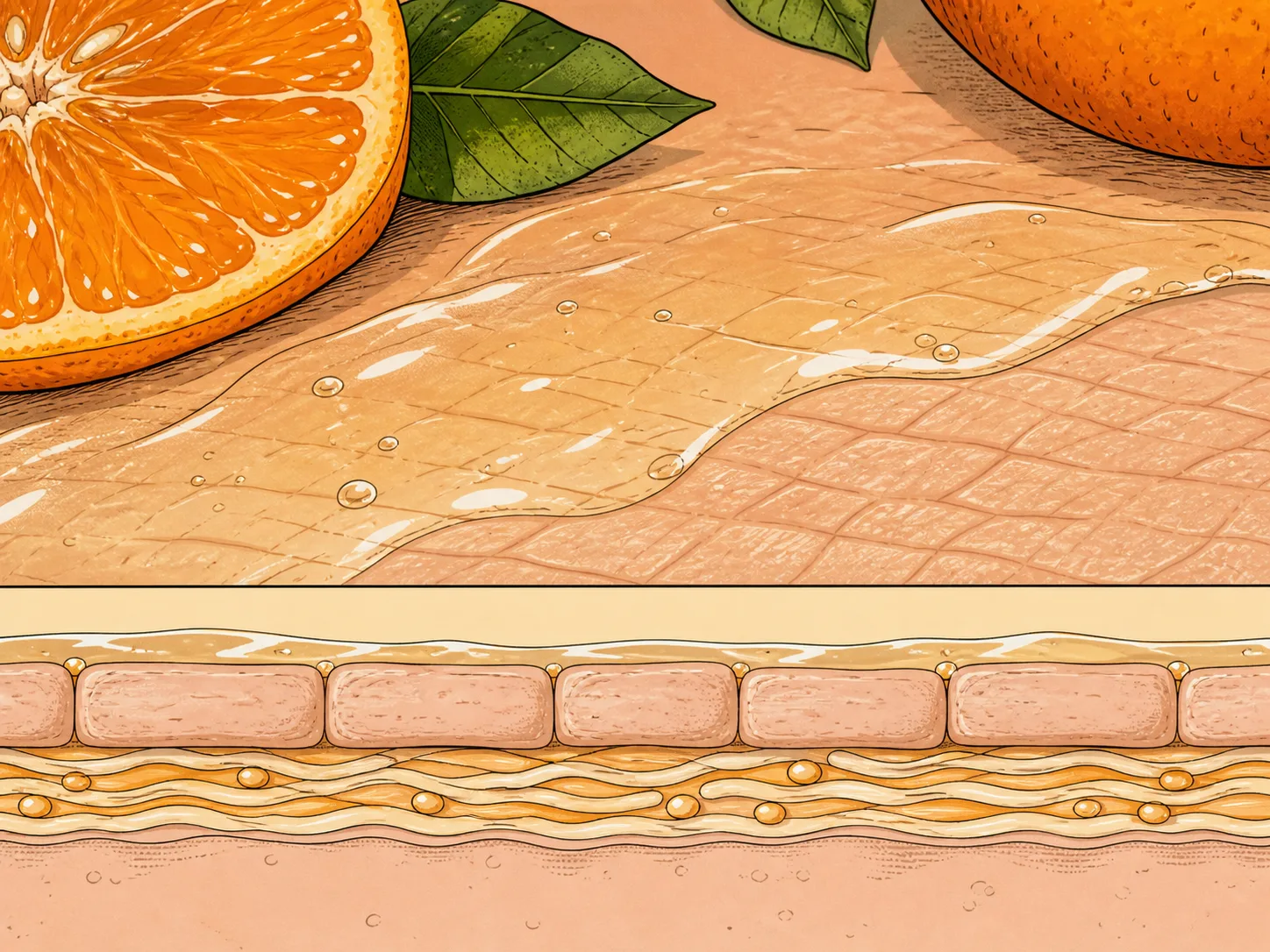
For dark spots or uneven-looking tone, check which ingredients in the formula are assigned the more direct job. Niacinamide is widely used to reduce the transfer of melanin-containing structures toward surface skin cells. Tranexamic acid, arbutin, ascorbic acid, and vitamin C derivatives also appear in formulas designed around visible discoloration. Tangerine extract may complement that system with an antioxidant botanical component, but it does not automatically replace those ingredients.
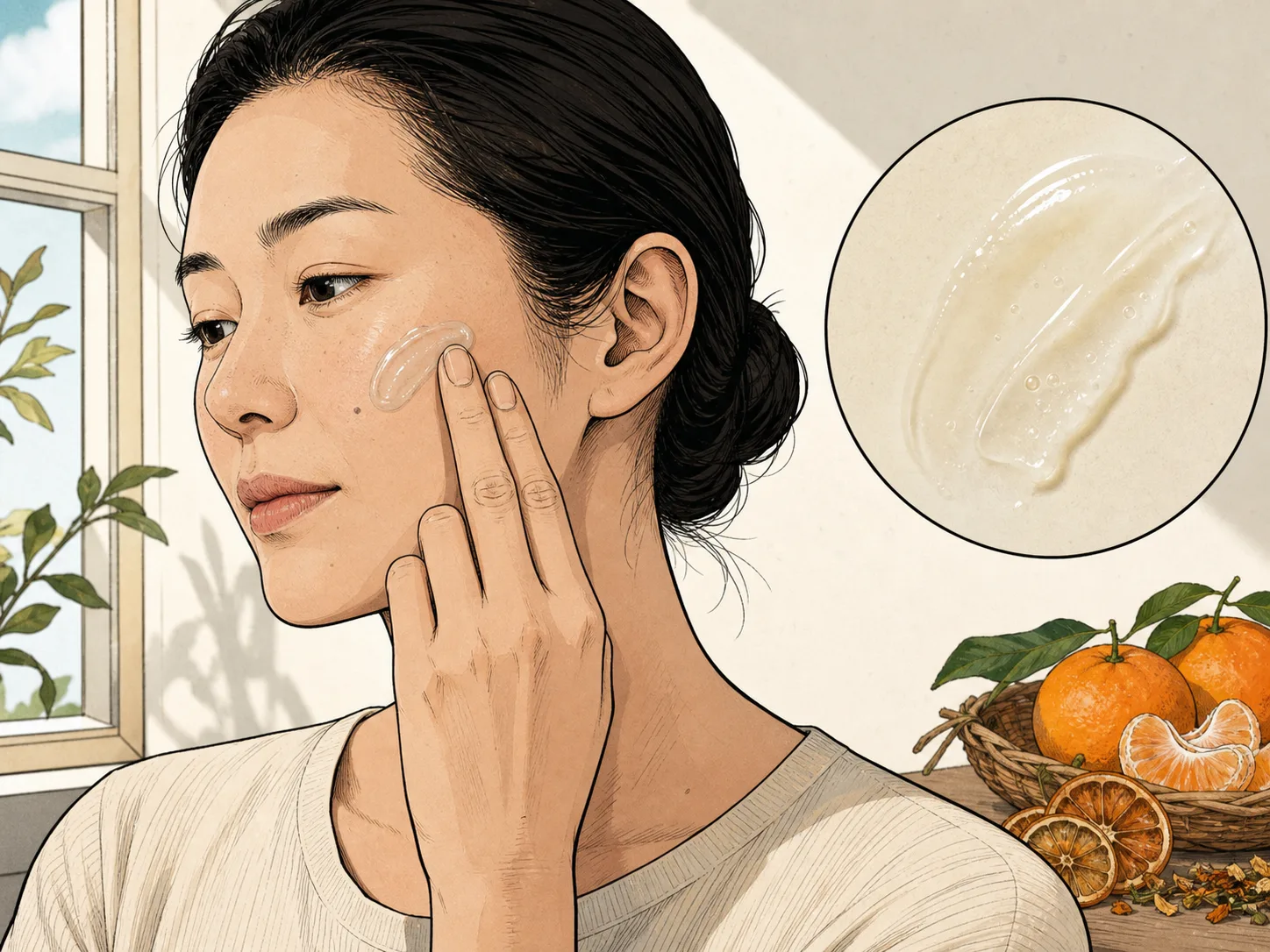
This distinction makes product comparisons much easier. A formula that pairs the extract with established brightening ingredients has a different purpose from a simple hydrating toner that uses it for skin conditioning and a fresh finish. When the only highlighted brightening cue is the fruit name, expect modest conditioning and hydration rather than a dramatic change in spots.
Daily sunscreen remains more consequential than the choice between two citrus extracts. UV exposure can deepen existing discoloration and counter the progress of an otherwise well-designed routine. A morning serum should also layer without pilling under the amount of sunscreen you actually need to apply.
Extract, peel oil, and fragrance are different entries
Citrus Tangerina Extract is not the same ingredient as tangerine peel oil, mandarin peel extract, or every material marketed as green tangerine. Peel oils contain volatile fragrance molecules and can list components such as limonene or linalool separately. Someone who has reacted to a strongly scented citrus product may have been responding to that fragrance system rather than to the water-based botanical extract itself.
Read the complete ingredient list when fragrance is a concern. Look for lemon, orange, bergamot, or tangerine peel oils as well as fragrance and declared fragrance allergens. A formula can feature tangerine extract while being nearly fragrance-free, or it can combine the extract with several aromatic oils; the skin experience may be very different.
It is also inaccurate to label every citrus-derived cosmetic as phototoxic. Cosmetic safety assessments distinguish the source material, plant part, and intended use, and they place formulation limits on relevant phototoxic constituents in leave-on products. That is more useful than treating the word citrus as either automatically dangerous or automatically gentle.
How to choose one for your skin
Dry skin will usually gain more from the humectant and barrier-supporting system surrounding the extract. Glycerin, panthenol, hyaluronic acid, emollients, and ceramides determine whether the comfortable finish lasts after the serum has dried. Oily or combination skin may prefer a light water-gel that gives quick slip and glow without a heavy film.
Sensitive skin should pay particular attention to fragrance, aromatic peel oils, denatured alcohol, and the number of potent actives already in the routine. A short formula without a strong citrus scent is a more sensible first test than assuming a botanical ingredient will always be mild.
If you already use a low-pH vitamin C serum, exfoliating acids, or a retinoid, introduce the new product on its own rather than layering everything on the first night. Test a small area along the jaw or behind the ear, then increase frequency only if repeated applications remain comfortable. This approach helps identify the actual source of stinging or redness without blaming every ingredient in the formula.
Sources used
- 대한화장품협회 성분사전: 탄제린추출물Ingredient identity, cosmetic function, and safety context.
- COSMILE Europe: Citrus Tangerina ExtractIngredient identity, cosmetic use, and evidence context.
- Safety Assessment of Citrus Fruit-Derived Ingredients as Used in CosmeticsIngredient identity, cosmetic use, and evidence context.
- Citrus Tangerina Extract: Cosmetic Ingredient INCIIngredient identity, cosmetic use, and evidence context.
- 탄제린 추출물 Citrus Tangerina (Tangerine) ExtractIngredient identity, cosmetic use, and evidence context.
- Tangerine Extract: K-Beauty Ingredient GuideIngredient identity, cosmetic use, and evidence context.