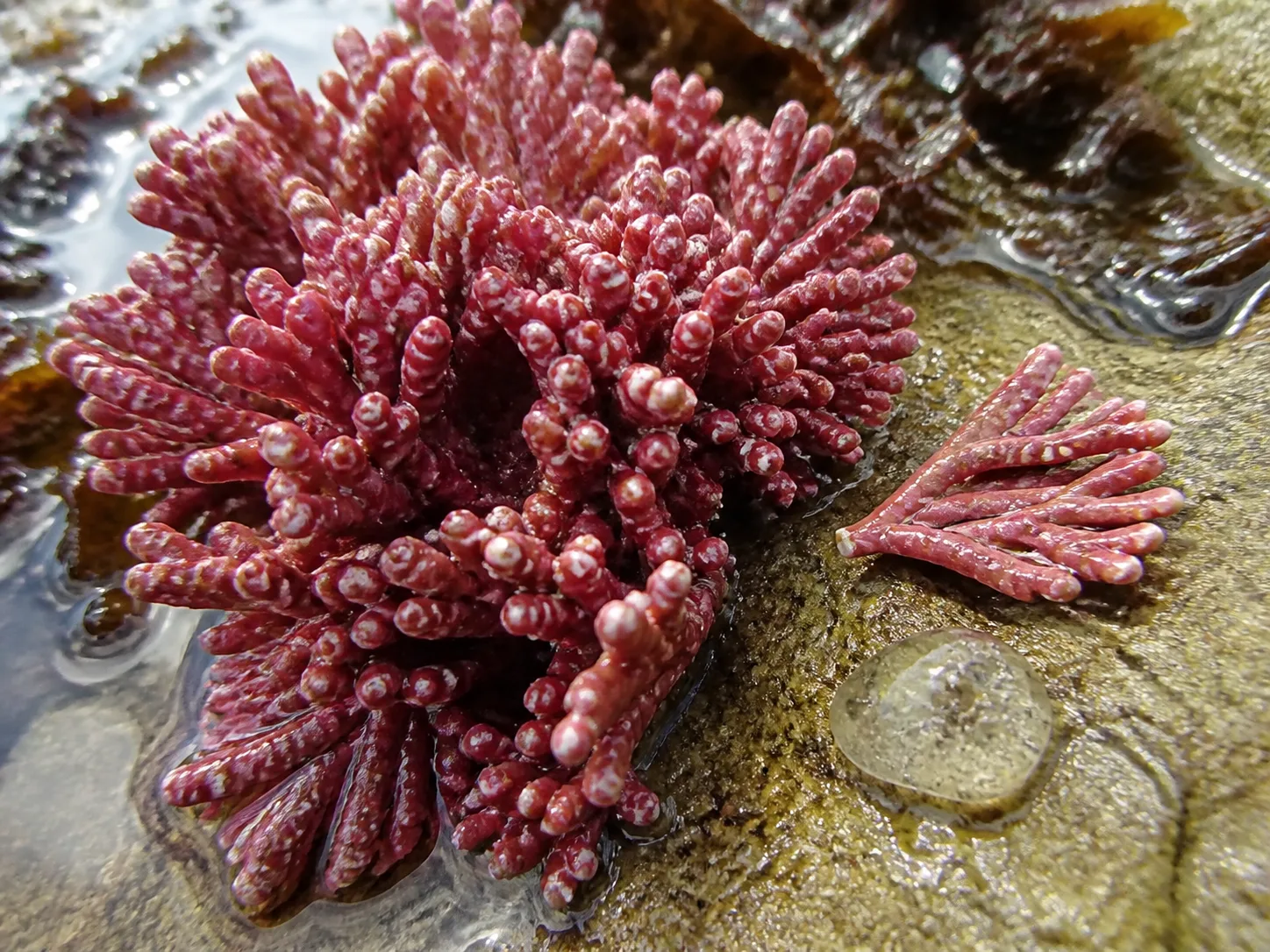
Corallina Officinalis Extract supports softness in moisturizing formulas
The practical benefit of Corallina Officinalis Extract is helping dry, rough skin feel softer and more comfortable. It is a red-algae conditioning ingredient used in creams and masks for hydration. Glycerin, oils, and other film formers still determine how strong and long-lasting the moisture feels.
Corallina Officinalis Extract comes from the red alga Corallina officinalis.
Kelp, brown-algae extracts, carrageenan, chlorella, algae powders, hydrolysates, and extracts from a different coralline-algae species can all be distinct cosmetic materials. A broad “seaweed skincare” claim, nutrition information, or a study of another alga is therefore not automatically evidence for this specific extract in a finished cream.
Safety reviews of groups of red-algae-derived cosmetic ingredients are useful for evaluating use practices and concentration data. They answer a different question from a consumer-benefit claim. A safety conclusion does not measure the size of a moisturizing or smoothing result in every finished product, so it should not be converted into a promise.
How to read it in a cream or mask
This extract can appear alongside other botanical and marine ingredients in creams, hydrating essences, and masks. If dry skin is your concern, look past one extract to the humectants, emollients, and the way the product fits into your routine. A familiar moisturizer after a lighter hydration layer may matter more for lasting comfort than the presence of one marine ingredient.
With a richer cream or mask, a slippery or cushioned feel can come from oils, silicones, film formers, thickeners, and how much you apply. If you are prone to shine, start with a thin layer and observe both congestion or heaviness and the return of tightness. If you are dry, see whether the formula stays comfortable after repeated use rather than judging it from one application.
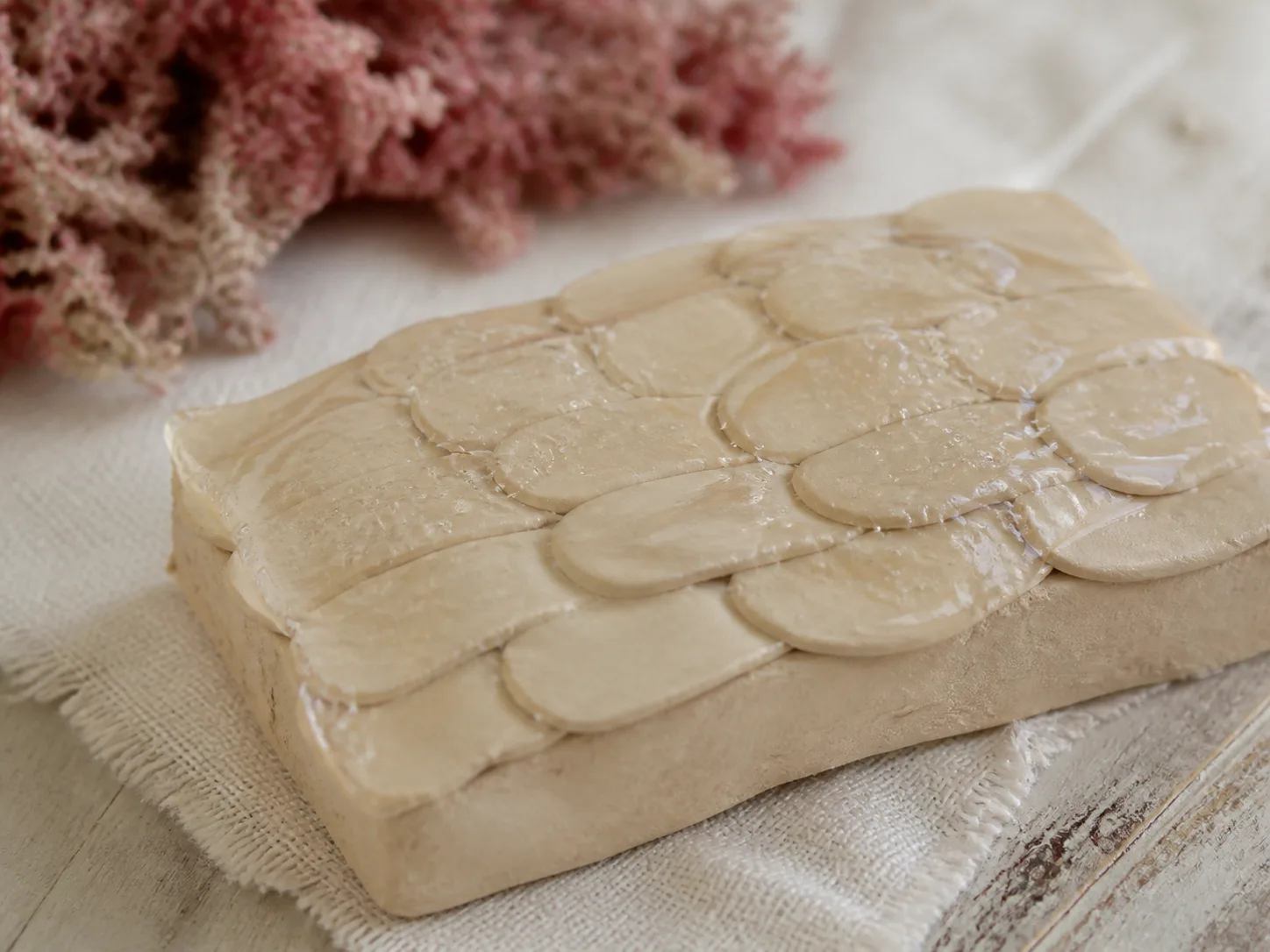
Check the base formula and fragrance
Marine-derived does not mean that every person will be reaction-free. Introduce one unfamiliar leave-on product at a time, use a small amount on a limited area first, and stop if burning, persistent itchiness, redness, or swelling develops. This kind of trial can identify obvious discomfort; it is not an allergy test.
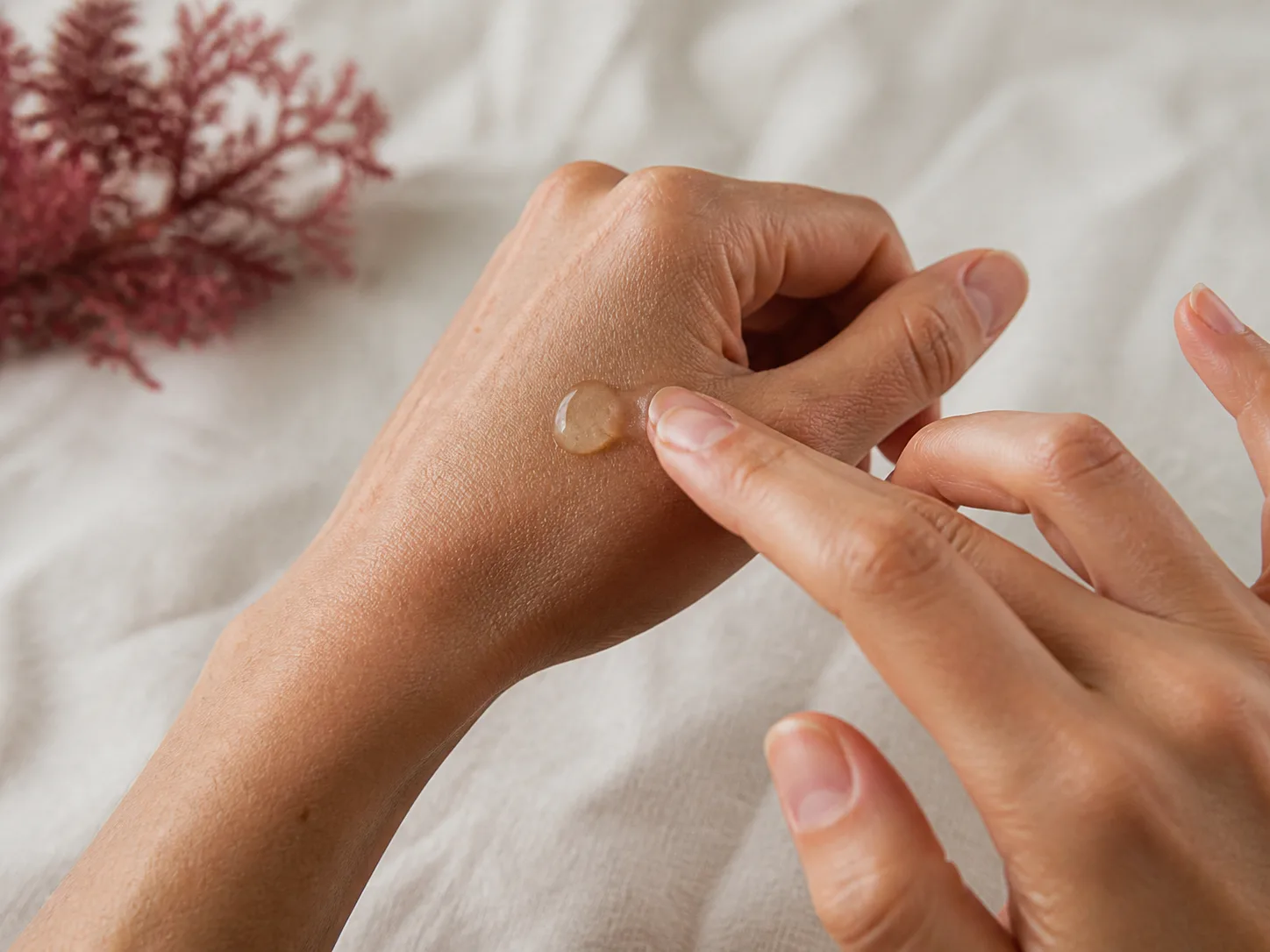
When a formula is not comfortable, assess the whole ingredient list and recent routine changes. Fragrance, preservatives, exfoliating acids, oils, and other extracts can all be relevant. Do not keep layering products over a painful or significantly swollen reaction.
Sources used
- Korea Cosmetic Association ingredient referencecurrent Korean standard name, exact INCI, source organism and cosmetic function
- COSMILE Europe - Corallina Officinalis ExtractEuropean INCI and cosmetic-function context
- Cosmetic Ingredient Review - Red algae-derived ingredients safety assessmentcosmetic safety review and formulation-dependent safety boundary
- Diverse Applications of Marine Macroalgaemacroalgae cosmetic-use review and evidence-context limits
- Source from corp.tonymoly.comconsumer-facing Korean ingredient and finished-cosmetic context; marketing claims are not treated as clinical proof