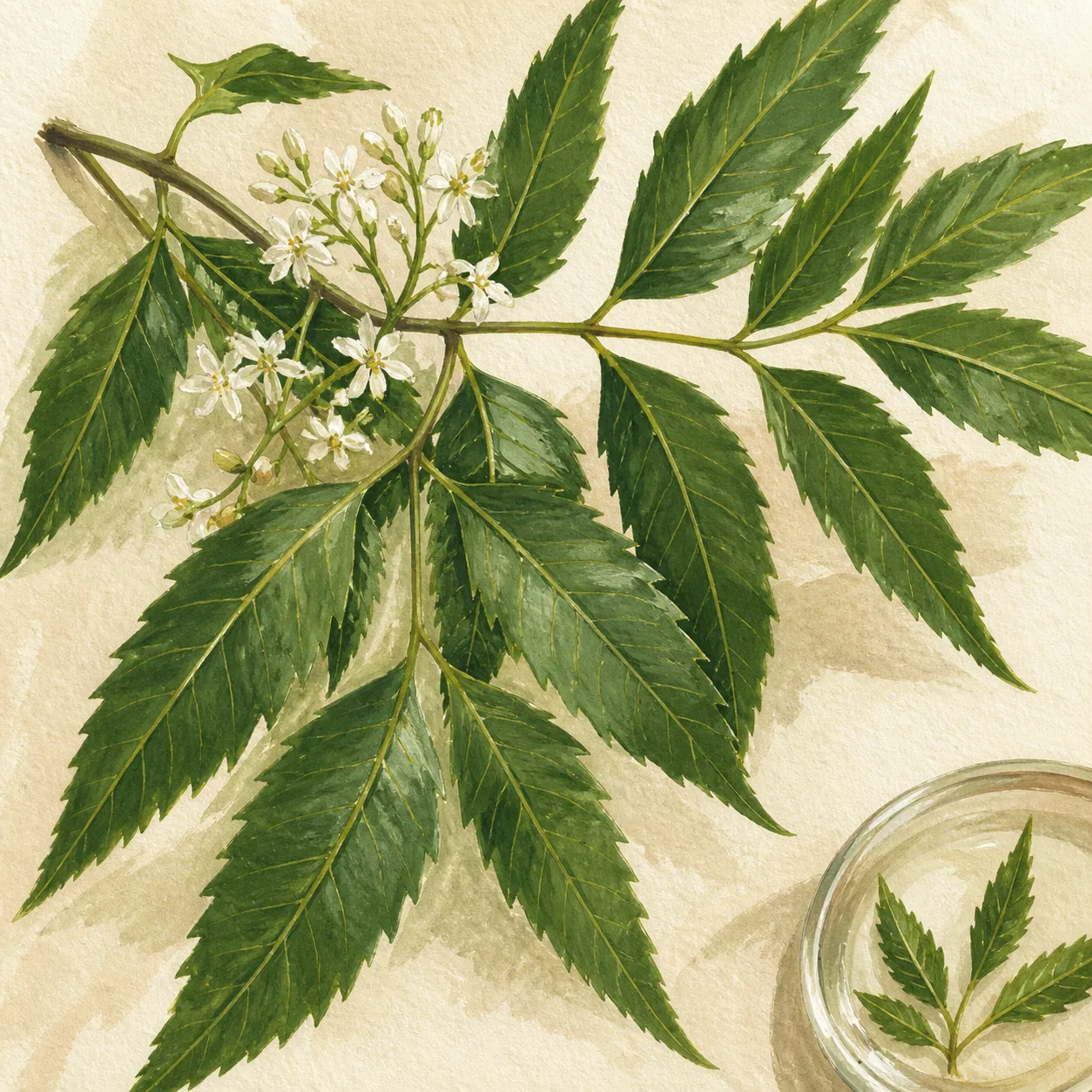
Neem leaf is a specific cosmetic ingredient
Melia Azadirachta Leaf Extract comes from neem leaves. It is used in soothing and antioxidant skincare and is classified as a skin conditioner. Neem seed oil is a different material with a different composition.
Neem is a broad everyday name, but leaf extract, flower extract, seed extract, and neem oil are different materials. An ingredient list that says Leaf Extract should not inherit every claim made about seeds or oil. Plant part, extraction method, and finished-product concentration all affect what can reasonably be expected.
Traditional use can make a plant sound familiar and powerful. It does not turn a topical cosmetic into a medicine or establish a particular performance for an individual serum. Start with the exact INCI, then look at the format, fragrance, preservatives, and companion ingredients that are much more likely to shape tolerance.
What to expect from a skincare product
The clearest cosmetic role is skin conditioning. Neem-leaf material can appear in watery essences, serums, ampoules, and lightweight creams. Technical material descriptions commonly use water and glycols, which can fit easily into a moisture-focused formula. That does not reveal the amount used in a retail product or predict how strong the product will feel.
Antioxidant, soothing, or oily-skin language sometimes appears around neem in professional and consumer discussions. Laboratory findings, botanical background, and traditional use are not equivalent to a controlled trial of a finished cosmetic. They do not support promises that an ordinary formula treats acne, controls an infection, or improves a skin disease.
You may still enjoy a formula containing this ingredient. A smoother feel or less post-cleansing tightness can be a real cosmetic outcome, but it usually reflects the full hydration system: humectants, emollients, polymers, amount applied, weather, and the condition of the skin surface.
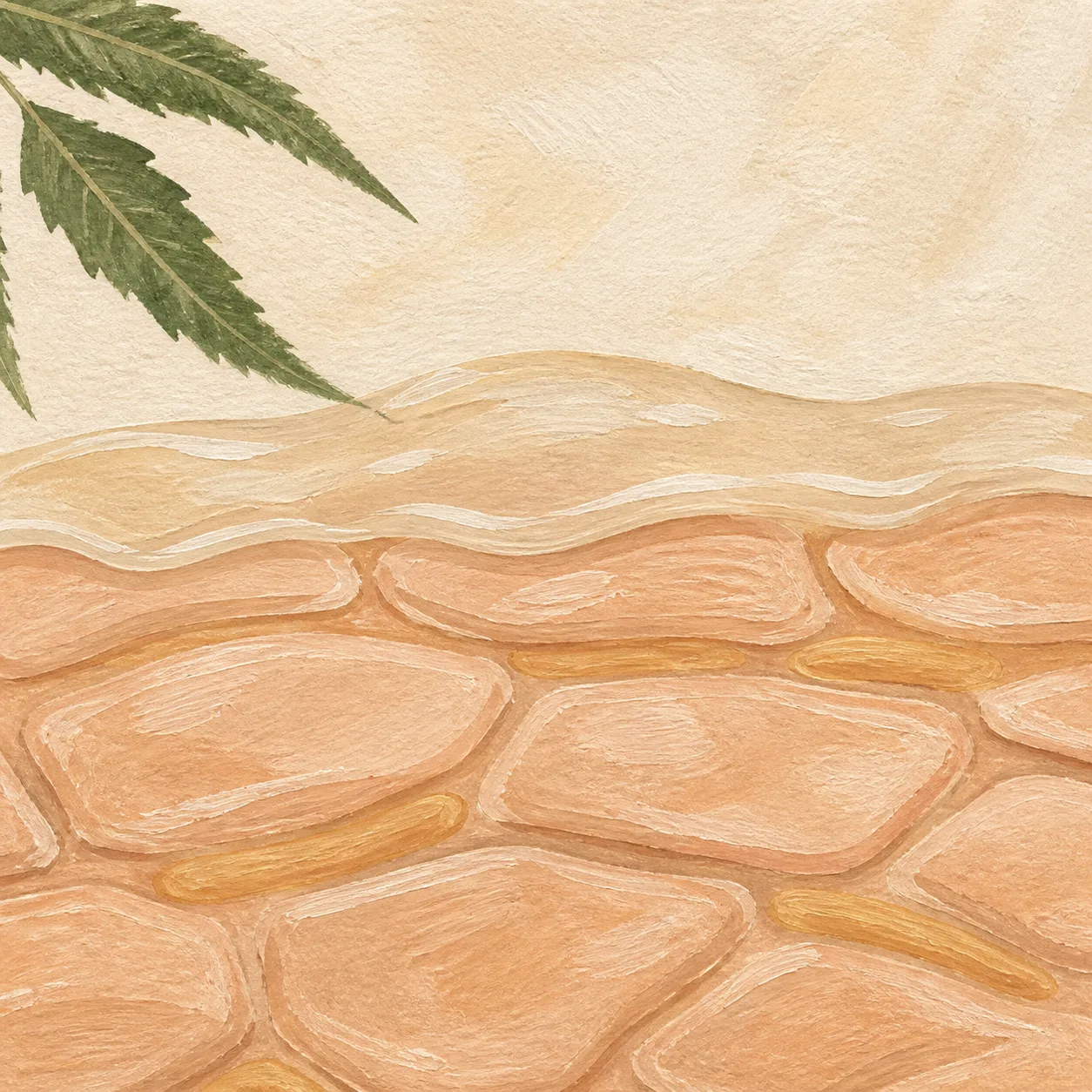
How to read it in an ampoule or serum
The word ampoule can imply concentration, but an INCI list does not reveal the percentage or clinical strength of every ingredient. If you see Melia Azadirachta Leaf Extract, check fragrance, essential oils, alcohol, exfoliating acids, and retinoids as well. Those may have a larger effect on comfort than the named botanical.
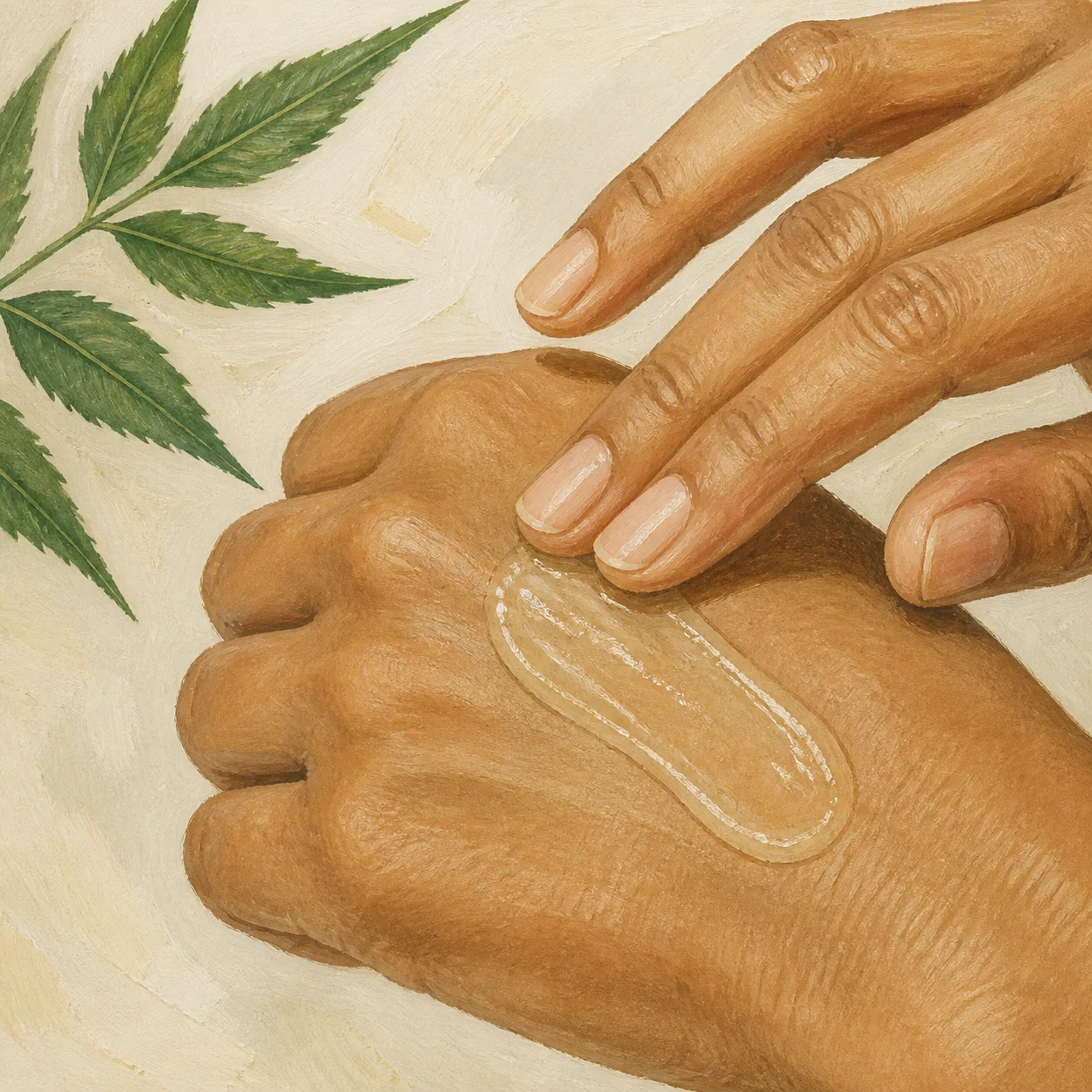
Introduce one new formula at a time. A light serum can be applied after cleansing and followed with moisturizer if skin still feels dry. For oily skin, the goal does not need to be removing all surface oil; a light, comfortable hydration layer may feel better than a harsh stripping routine. For dry skin, repeating a watery ampoule may be less helpful than adding an emollient cream.
Observe your skin over several uses rather than relying only on the first slippery or refreshed finish. Immediate texture is part of the product experience, but it does not show that a single botanical has changed deeper skin structure.
Caution for botanical formulas
“Plant-derived” is not a guarantee of compatibility. Use a small amount on a limited area before full-face use, and stop if persistent stinging, itching, redness, or swelling develops. A home test can identify obvious discomfort but cannot diagnose an allergy.
If a reaction occurs, consider the full formula. Fragrance, essential oils, preservatives, acids, other extracts, and overuse can all contribute. Avoid adding several unfamiliar products at once, simplify a reactive routine, and seek medical advice for severe or continuing symptoms.