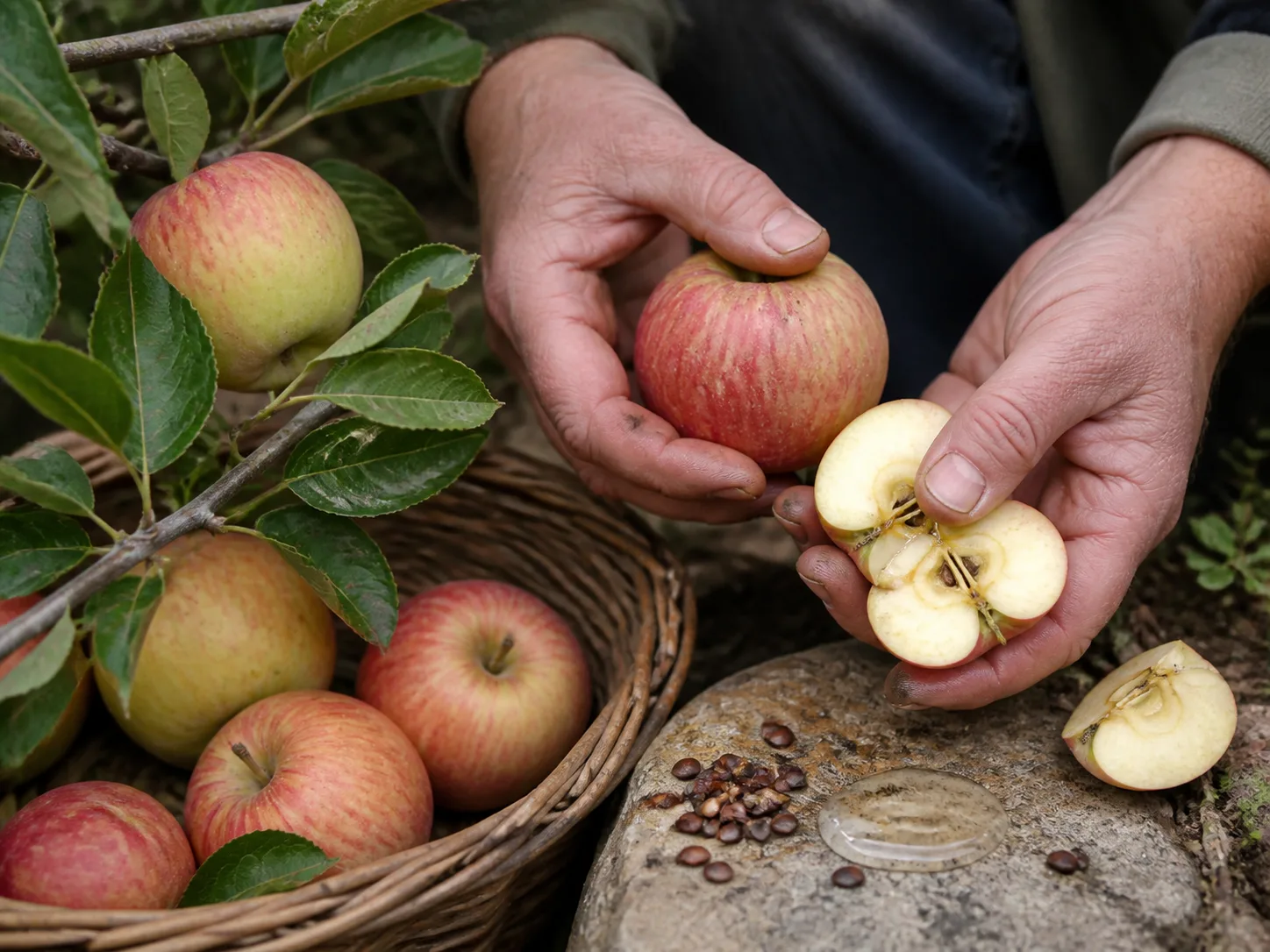
What apple seed extract does for skin
Apple seed extract is used to help rough skin feel softer and more comfortable. It comes from the seeds, rather than the fruit flesh or peel. The solvent used to extract it affects which seed components end up in the cosmetic ingredient, so two products with the same ingredient name need not contain identical mixtures.
A serum’s smooth finish also comes from its humectants and emollients. Apple seed extract can be part of that formula, but its presence alone does not tell you how well the serum will moisturize or whether it will fade dark spots.
Apple seed extract, seed oil, and fruit extract are different ingredients
Seed oil mainly supplies fatty lipids that help soften the skin surface. A seed extract is made by extracting compounds from the seeds with a solvent; it is not another name for the oil. Fruit extract uses a different part of the apple. The Cosmetic Ingredient Review assessment lists these materials separately.
This matters when reading about antioxidant benefits. Research on apple peel, flesh, or pomace—the material left after pressing juice—does not describe every apple seed extract. If antioxidant performance is a reason for choosing a product, look for information on the particular extract or finished formula. An antioxidant result from a laboratory solution does not measure a change in someone’s skin.
What the safety tests used
The CIR report describes a seed-extract preparation made with 1% extract in hexyldecanol, a solvent. Diluted preparations produced slight irritation in animal tests; a guinea-pig test found no phototoxic reaction. These are tests of a specified preparation, not a recommendation to use that concentration at home or proof that every apple-containing product behaves alike.
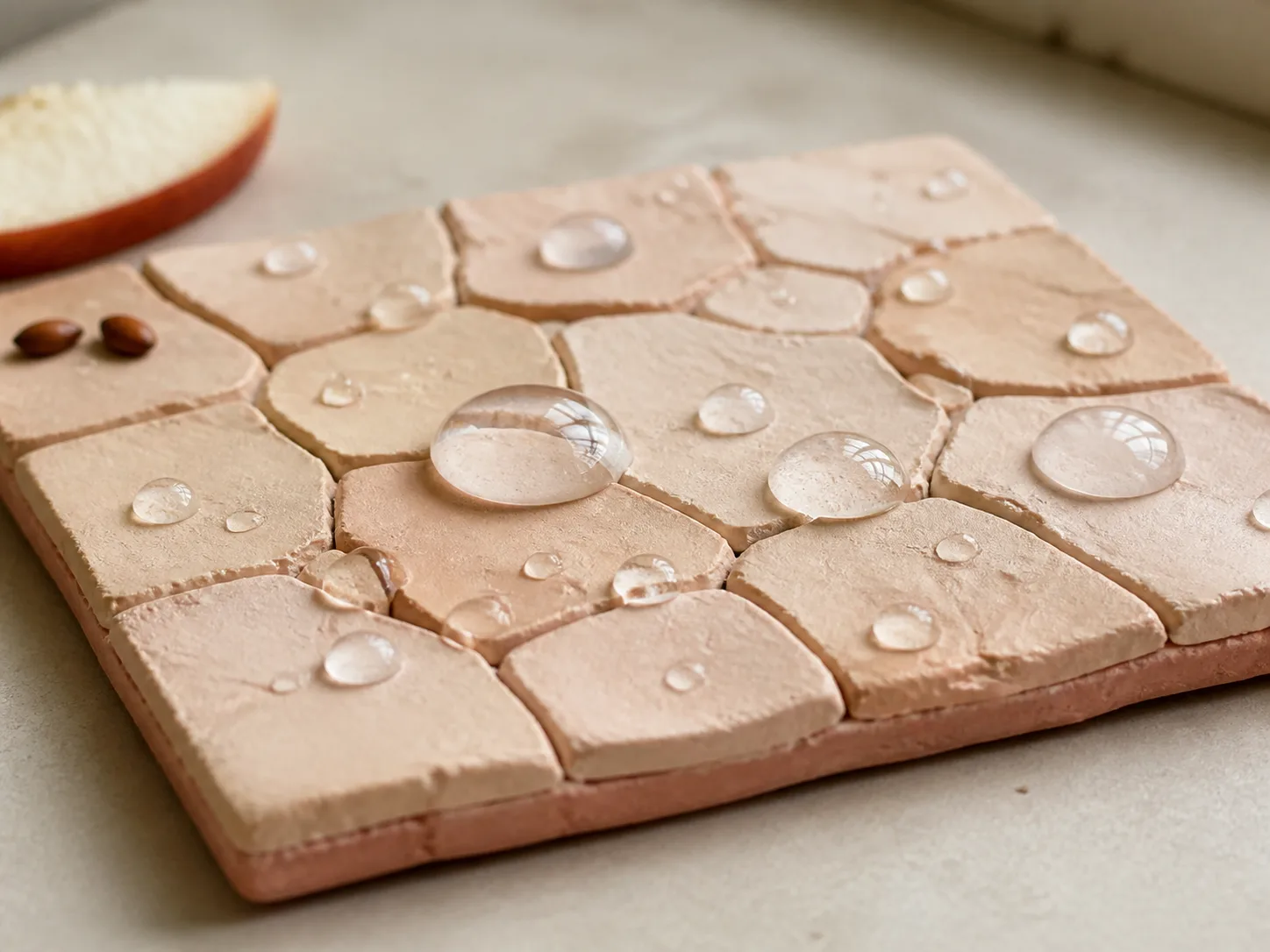
For everyday use, judge the finished product. Stop if it causes burning, itching, swelling, or persistent redness. Fragrance, acids, preservatives, and other ingredients may be involved, so the apple seed extract should not automatically take the blame.
Choosing a product for dry or rough skin
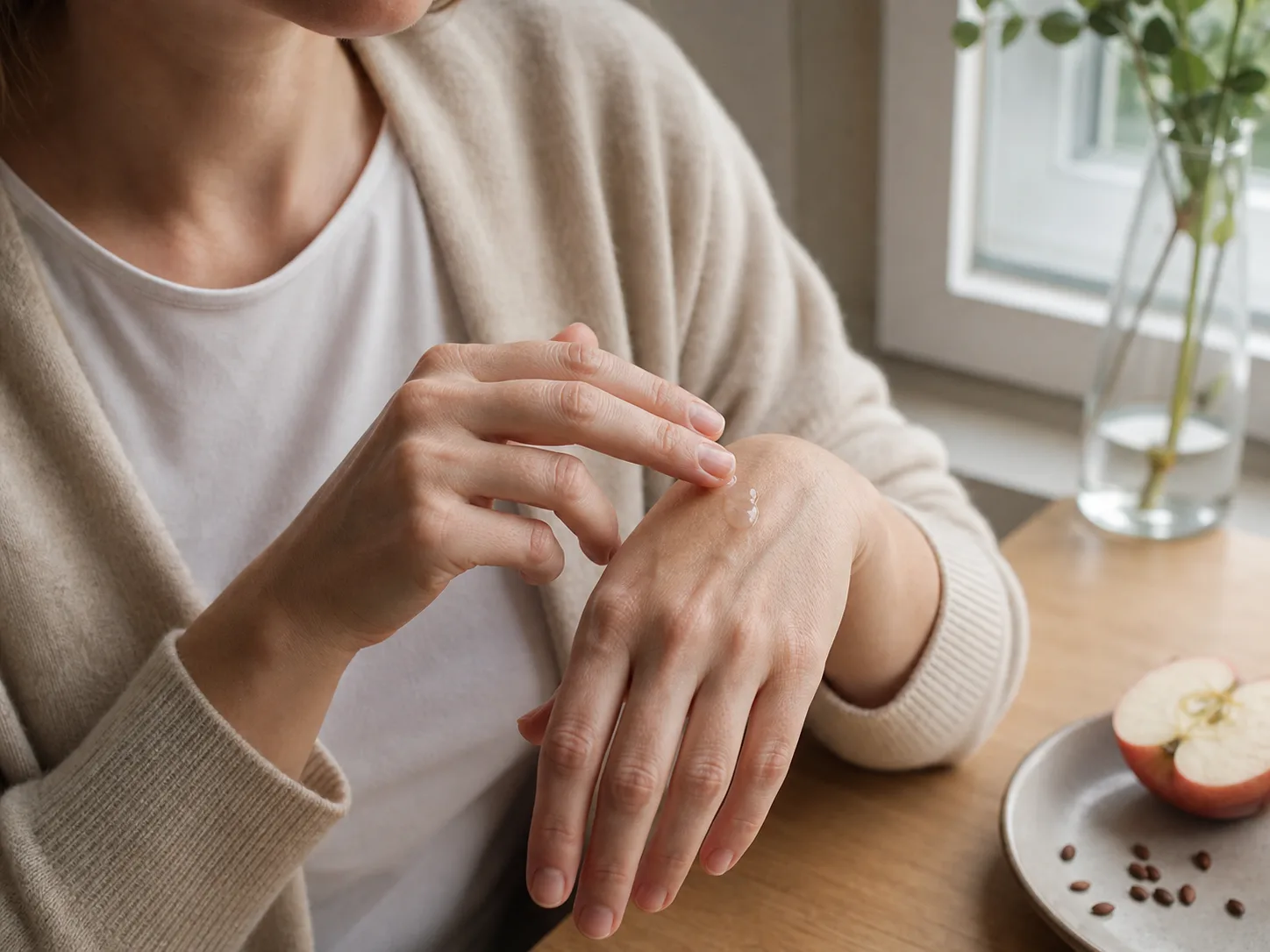
For a hydrating serum, check for water-binding ingredients such as glycerin alongside the extract. For a cream, the oils and the film left on the skin make a larger difference to richness and lasting comfort. Compare whether the product eases tightness after cleansing and whether it sits comfortably under sunscreen, rather than treating the word apple as a promise of gentleness.
Apple seed extract belongs in a discussion of skin softness and the whole formula. It is not apple cider vinegar, an exfoliating acid, or apple seed oil, and those products’ instructions should not be applied to it.
Sources used
- Korea Cosmetic Association ingredient referenceThe Korean entry for the seed-derived cosmetic ingredient, distinct from apple fruit extract and seed oil.
- Safety Assessment of Apple-Derived Ingredients as Used in CosmeticsSafety assessment of apple-derived cosmetic materials; fruit and seed ingredients are identified separately.
- COSMILE Europe - Pyrus Malus Seed Extract
- Skincare Lab - Pyrus Malus Apple Seed Extract
- NAOS Hyalu+ serum ingredient page
- INCIDecoder Pyrus Malus Seed Extract product list
- CIR: Safety Assessment of Apple-derived Ingredients as Used in CosmeticsSeparate definitions of apple-derived ingredients and seed-extract irritation and phototoxicity tests.