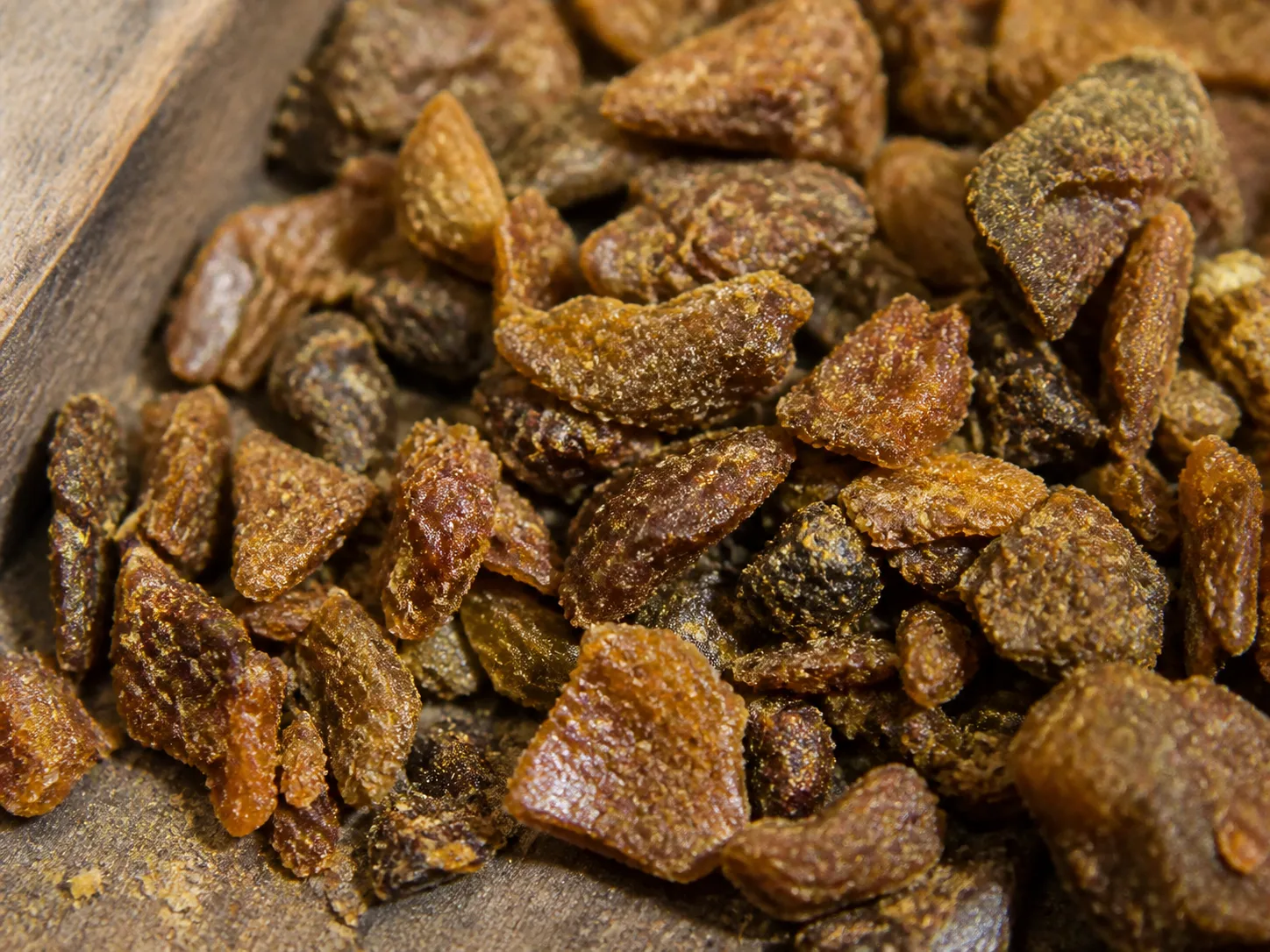
Propolis is not honey, royal jelly, or beeswax
Propolis Extract comes from the resinous material bees use to seal and protect a hive. Bees collect material from buds and bark, then combine it with wax and other hive substances. Honey, royal jelly, beeswax, and propolis all come from bees, but they are separate cosmetic ingredients with different compositions and INCI names.
Propolis is not one purified molecule. It can contain resins, waxes, aromatic compounds, phenolic acids, and flavonoids. Plant source, geography, season, and extraction solvent can change the resulting material. A water extract from one region and an alcohol extract from another should not be assumed to have the same color, scent, solids content, or biological activity.
What antioxidant and antimicrobial research actually means
Phenolic components in propolis have shown antioxidant and antimicrobial potential in laboratory and raw-material research. Dermatology reviews also discuss studies involving wounds, infections, and inflammatory skin conditions. Much of that evidence uses medical preparations, compromised skin, standardized regional extracts, or combination formulas rather than an ordinary facial serum on intact skin. Results from a medical wound preparation therefore do not establish that a facial ampoule heals skin.
A well-tolerated formula can leave skin feeling hydrated, flexible, comfortable, or more luminous when it suits the user. Glycerin, glycols, panthenol, niacinamide, beta-glucan, oils, and emollients may contribute heavily to that experience. Judge the complete product rather than assigning every result to the bee-derived extract.
Ampoule, serum, cream, and lip products behave differently
A light ampoule or serum may layer easily but may not slow water loss enough for dry skin. Check for humectants such as glycerin and hyaluronic acid, then decide whether a cream is needed on top. Oily skin may care more about tack, oil content, and makeup pilling than about a large front-label extract percentage.
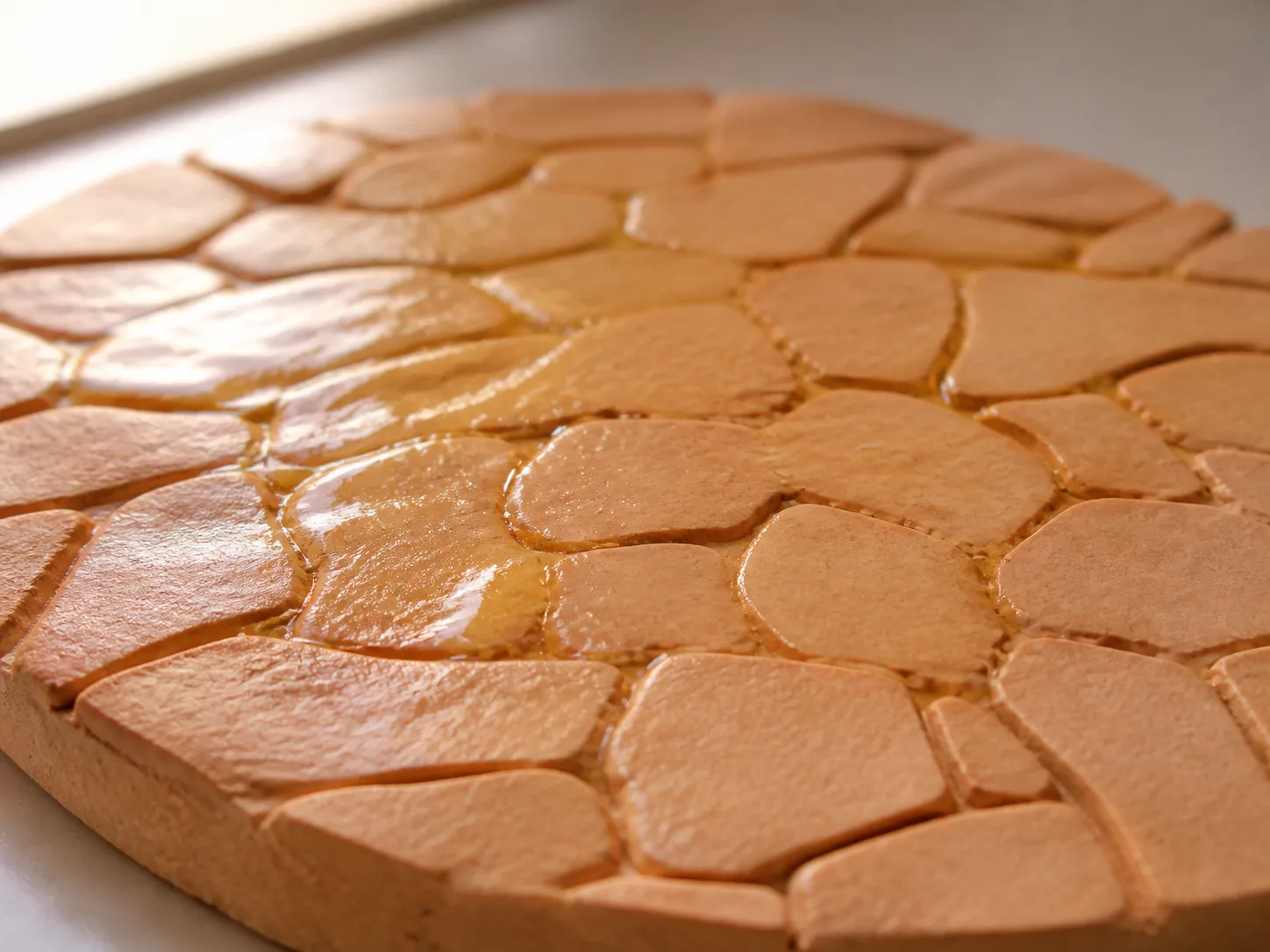
In a cream, fatty alcohols, oils, squalane, silicones, and other emollients often determine richness and lasting comfort. Lip products create repeated, prolonged contact on thin skin, which matters for someone prone to allergic cheilitis. In toners and pads, alcohol, fragrance, and rubbing can be more irritating than the highlighted extract.
An ingredient list cannot reveal the exact dry propolis solids in a product. A claim such as “60% extract” may refer to a diluted raw-material solution rather than 60% pure propolis solids. Supplier specifications and a transparent finished-product study are more useful than comparing large percentages across unrelated formulas.
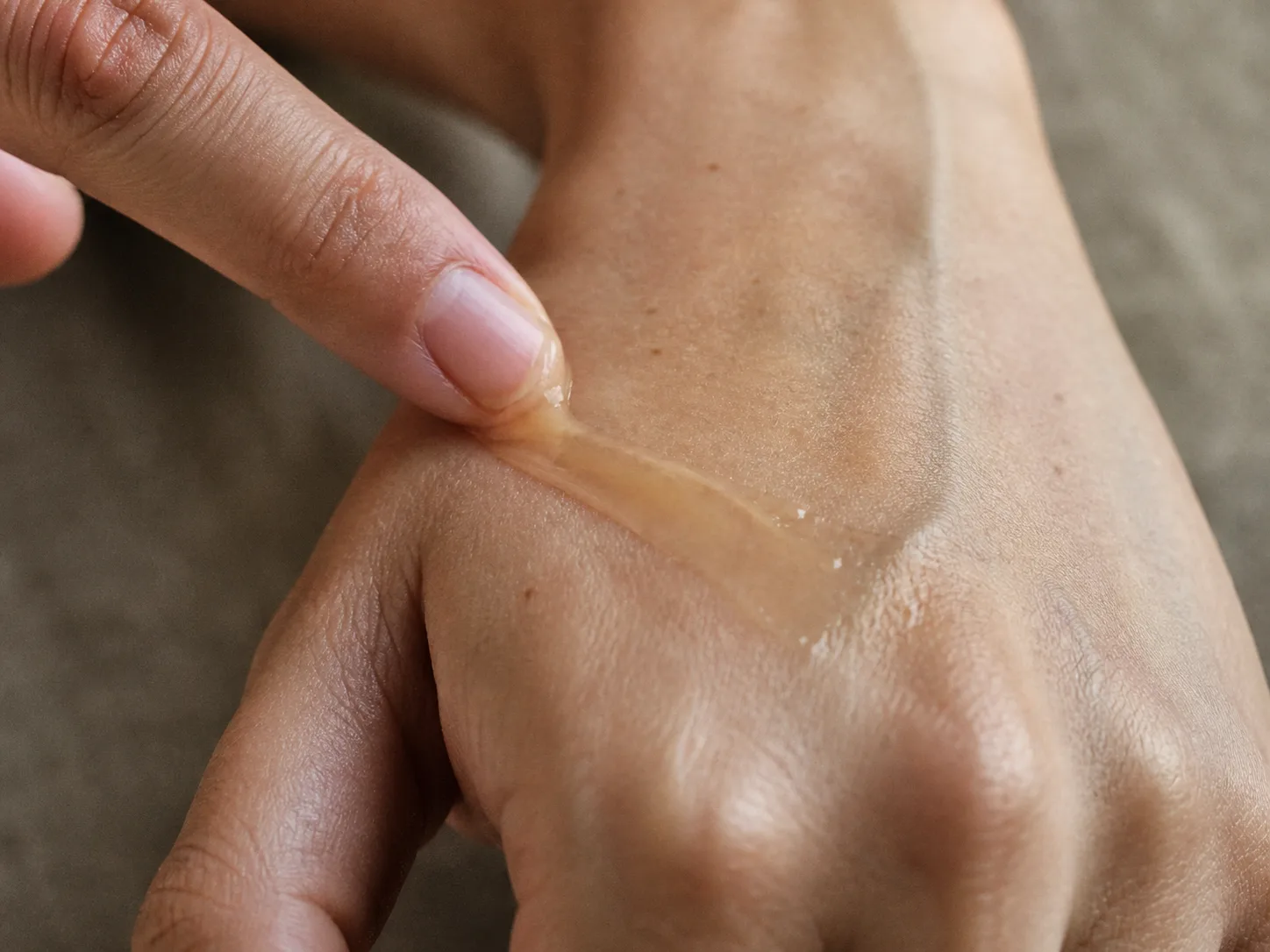
Propolis can cause contact allergy
Propolis is a recognized contact allergen. A sensitized person may develop itching, burning, a red rash, cracked lips, or swelling of the face or lips within hours to days of exposure. These symptoms are not purging and are not evidence that an active ingredient is working. Continuing exposure can make the problem harder to identify.
Propolis can cross-react with substances that share chemical components, including balsam of Peru, colophony, and some fragrance materials. Be especially cautious if resinous adhesives, lip balms, natural salves, or fragranced products have repeatedly caused cheilitis or dermatitis. Anyone with a confirmed propolis contact allergy should avoid propolis-containing cosmetics.
Bee-venom allergy, a reaction to eating honey, and propolis contact allergy are not automatically the same. A venom allergy does not prove that every propolis cosmetic will cause a reaction, while eating honey without trouble does not guarantee that repeated skin contact is safe. A complicated allergy history is better discussed with a clinician than tested through repeated full-face use.
A home use test is not diagnostic patch testing
Applying a small amount near the jaw or behind the ear for a day or two can catch obvious discomfort before full-face use. It is not the same as dermatologist-supervised patch testing with standardized materials and timed readings. A quiet home test also cannot exclude every delayed allergic response.
Introduce the product at night without adding other new skincare. Stop and wash it off if persistent itching, swelling, or a rash develops. Rapid swelling of the lips or tongue, breathing difficulty, or other severe systemic symptoms require urgent medical help, not another cosmetic experiment.
How to place it in a routine
A conventional propolis serum can usually go after cleansing and toner and before moisturizer. Follow the product’s directions if they differ. Daytime use still requires a separate sunscreen; propolis does not undo ultraviolet damage or replace sun protection.
Sources used
- Korea Cosmetic Association ingredient reference
- Propolis: properties, composition, contact allergy and adverse effectsBenefit evidence, study conditions, and what the research actually shows.
- Bee Products in Dermatology and Skin Care
- Contact Allergy to Propolis: Update 2013-2025
- DermNet - Contact allergy to propolis
- cosmetic.science - Propolis benefits and safety
- SkinSort - Propolis Extract