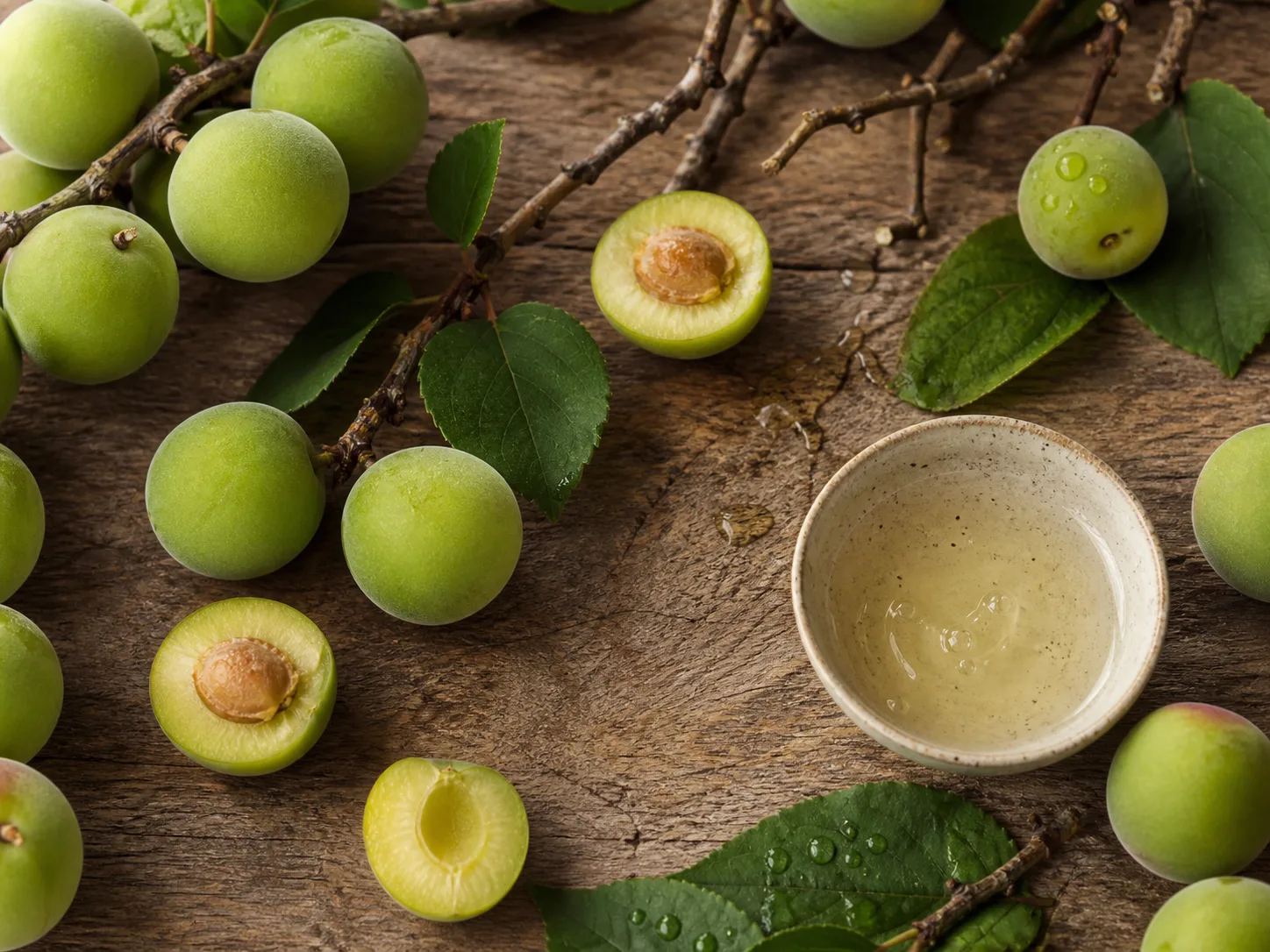
What Prunus Mume Fruit Extract is
Prunus Mume Fruit Extract is a botanical extract made from the fruit of Prunus mume. It is a mixture rather than one defined molecule, so it does not have one molecular formula. Fruit water and flower extract are different label entries and should not be merged into the same claim.
It appears in antioxidant serums and moisturizing products. Organic acids and polyphenol-related compounds help explain its use in these formulas, but they do not turn every finished product into an exfoliant or a brightening treatment. Glycerin, betaine, oils, and the base often shape the immediate hydration feel more strongly.
The main skin benefits of Prunus Mume Fruit Extract
A toner or essence with the extract may leave less post-cleansing tightness and a smoother surface. Antioxidant activity is relevant to formulas for skin that looks dull or dry, but the extract does not erase pigmentation or replace sunscreen.
The fact that it comes from a sour fruit does not make it an AHA. If exfoliation is the goal, look for separate acids such as glycolic or lactic acid and read their place in the formula.
What the fruit-extract study found
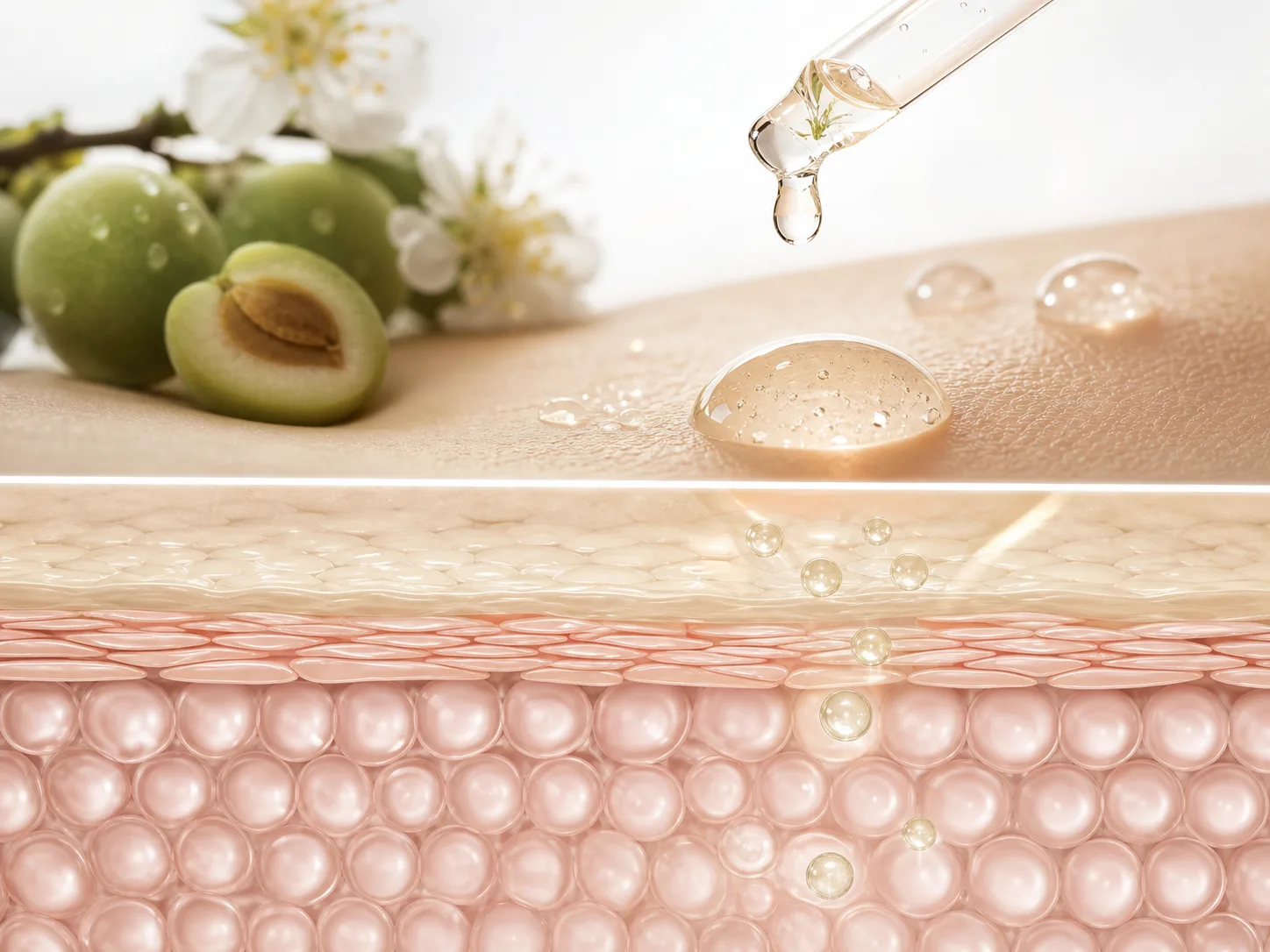
A Prunus mume fruit extract reduced free-radical activity in a chemical assay. In B16-F10 mouse melanoma cells stimulated to produce pigment, it also reduced melanin formation and changed the expression of proteins involved in that process. The experiment treated cells directly; it did not measure fading of dark spots in people using a facial essence.
Extract identity and product differences
The composition of a fruit extract can change with raw material, solvent, concentration, and standardization. A result for one preparation should not be transferred to every product carrying the same INCI. A watery essence and an oil-rich cream may contain the same extract but feel completely different.
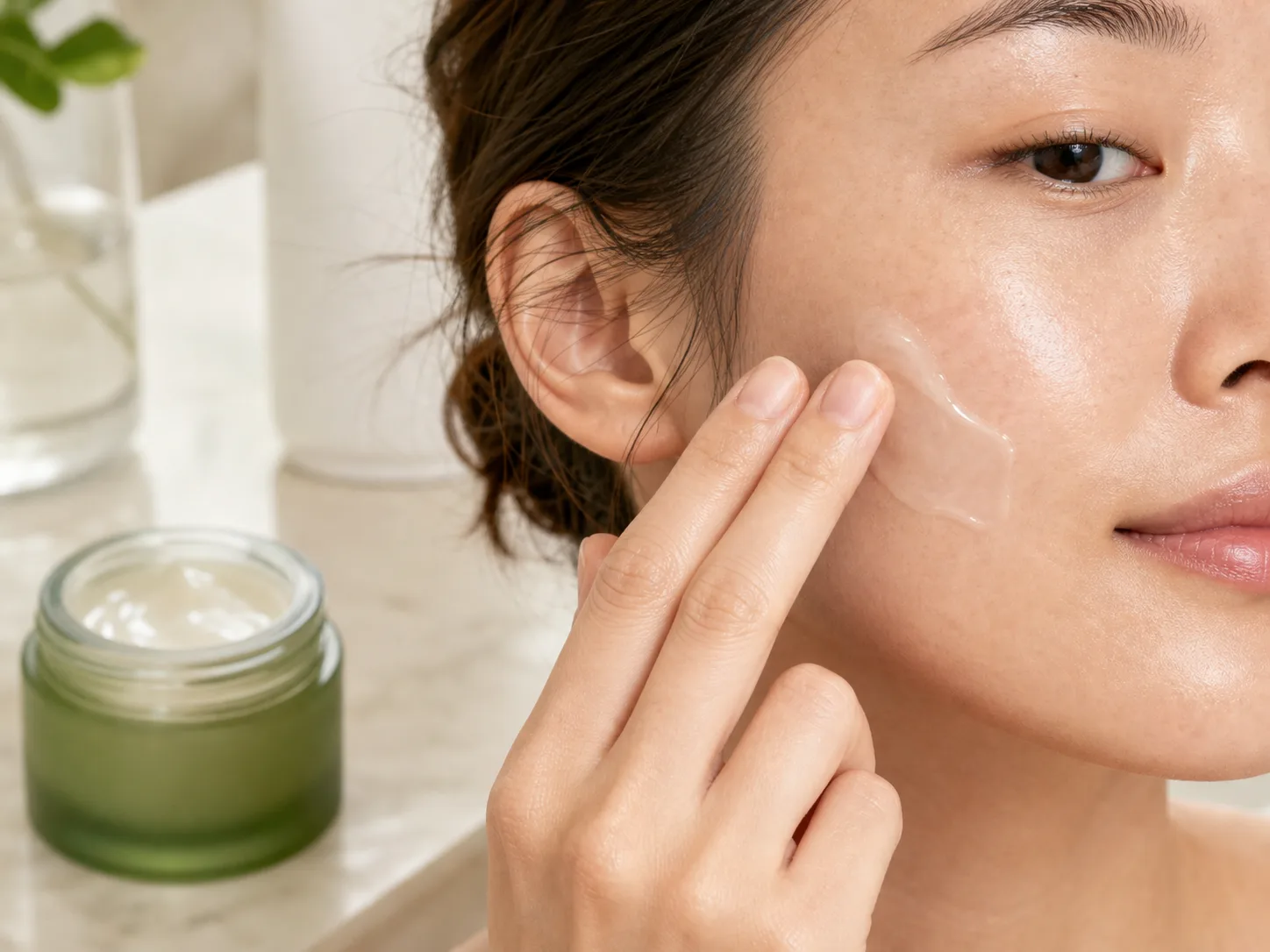
In a toner or essence, compare humectants such as glycerin, panthenol, and betaine with alcohol and fragrance. In a cream, ceramides, squalane, and fatty alcohols usually decide the lasting cushion. In a cleanser, surfactant strength and rinse feel matter more than the extract.
Check fragrance and other actives first
Start a new product on a small area near the jaw or cheek. If it stings, review acids, fragrance, preservatives, and pH instead of blaming the fruit extract alone. A lighter lotion may suit oil-sensitive skin, while a cream can be more useful for dry areas.
Sources used
- Comprehensive review of Prunus mumePublished evidence and study scope
- Prunus Mume Fruit Extract INCIIngredient characteristics and cosmetic use
- 쿠스 매실추출물Ingredient characteristics and cosmetic use
- SkinSort Prunus Mume Fruit ExtractIngredient characteristics and cosmetic use
- Prunus mume fruit extract, antioxidant activity and melanogenesisFruit extract in chemical and B16-F10 cell assays.