
Tocopherol is a vitamin E ingredient
Tocopherol is one of the vitamin E forms commonly listed in cosmetics. Vitamin E is a family of related compounds, so the exact INCI still matters.
Tocopherol is fat-soluble rather than water-soluble. Alpha-tocopherol has a chromanol ring and a long hydrocarbon side chain, with the molecular formula C29H50O2. That structure makes it easier to formulate in oils, creams, balms, and other products with a lipid phase than in a simple watery toner.
It protects the oil phase and softens the finish
Tocopherol helps interrupt the chain reactions that oxidize skin lipids. During oxidation, reactive molecules can attack neighboring lipids and keep the reaction going. Tocopherol donates a hydrogen atom to a lipid peroxyl radical, breaking that chain. This helps protect lipids in biological membranes; in a cosmetic formula, the same antioxidant chemistry can slow the oxidation of oils.
What a person notices on the skin is usually softness, slip, and a more comfortable finish rather than an instant reversal of damage. In a cream with oils and emollients, tocopherol may help a dry surface feel more flexible and less rough. The final texture still depends heavily on the rest of the formula, including oils, waxes, fatty alcohols, silicones, and the amount used.
Tocopherol and tocopheryl acetate are not the same
Tocopherol and tocopheryl acetate are often grouped together as vitamin E, but they are different ingredients. Tocopheryl acetate is an ester form of tocopherol. A manufacturer may choose one form for stability, compatibility, or texture, so one is not automatically better simply because its name sounds more direct.
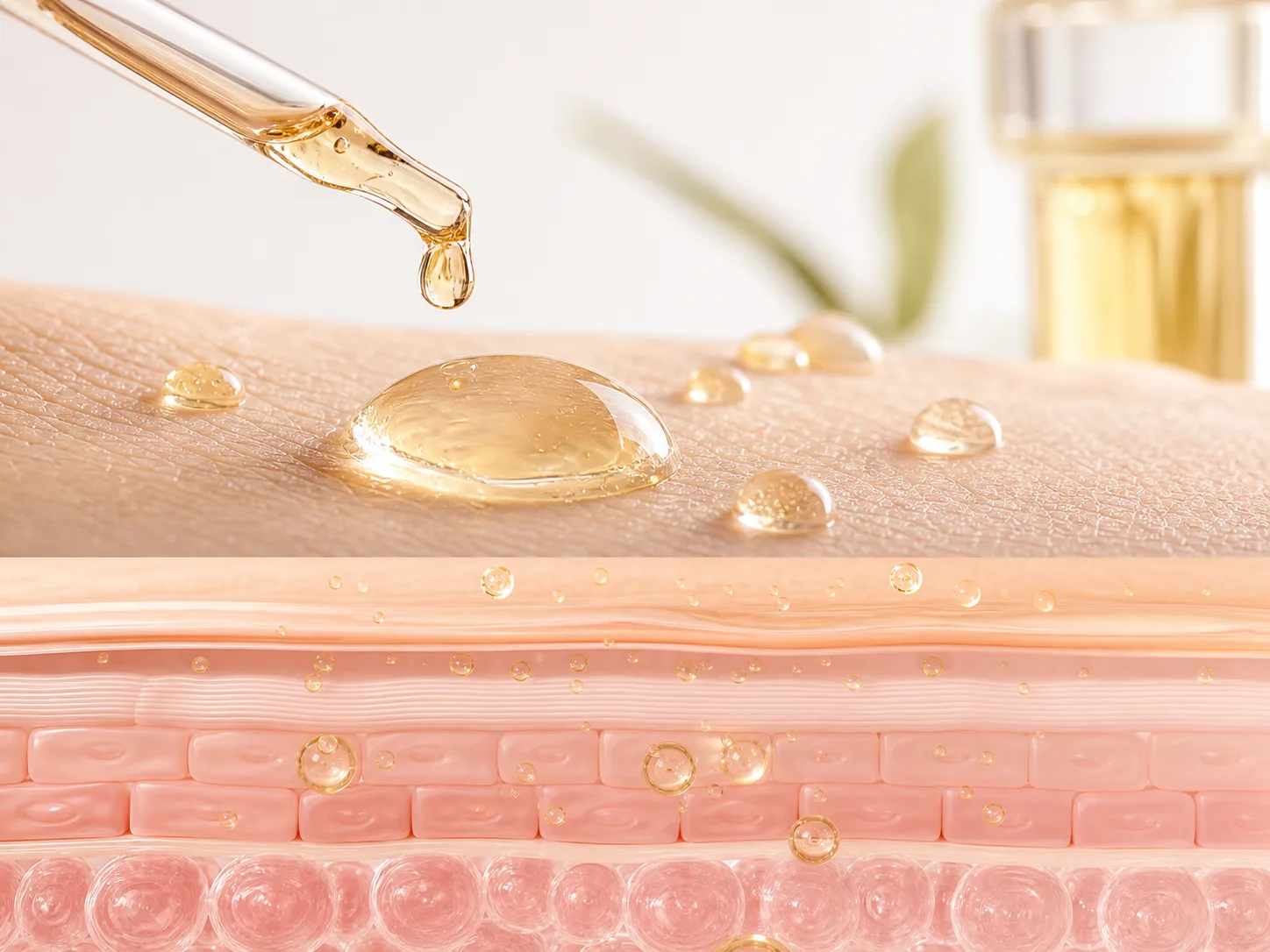
When comparing products, look for the exact INCI name rather than relying on a short “contains vitamin E” claim. Tocopherol, tocopheryl acetate, and other tocopherol derivatives can play different roles in a formula.
Why is it paired with vitamin C?
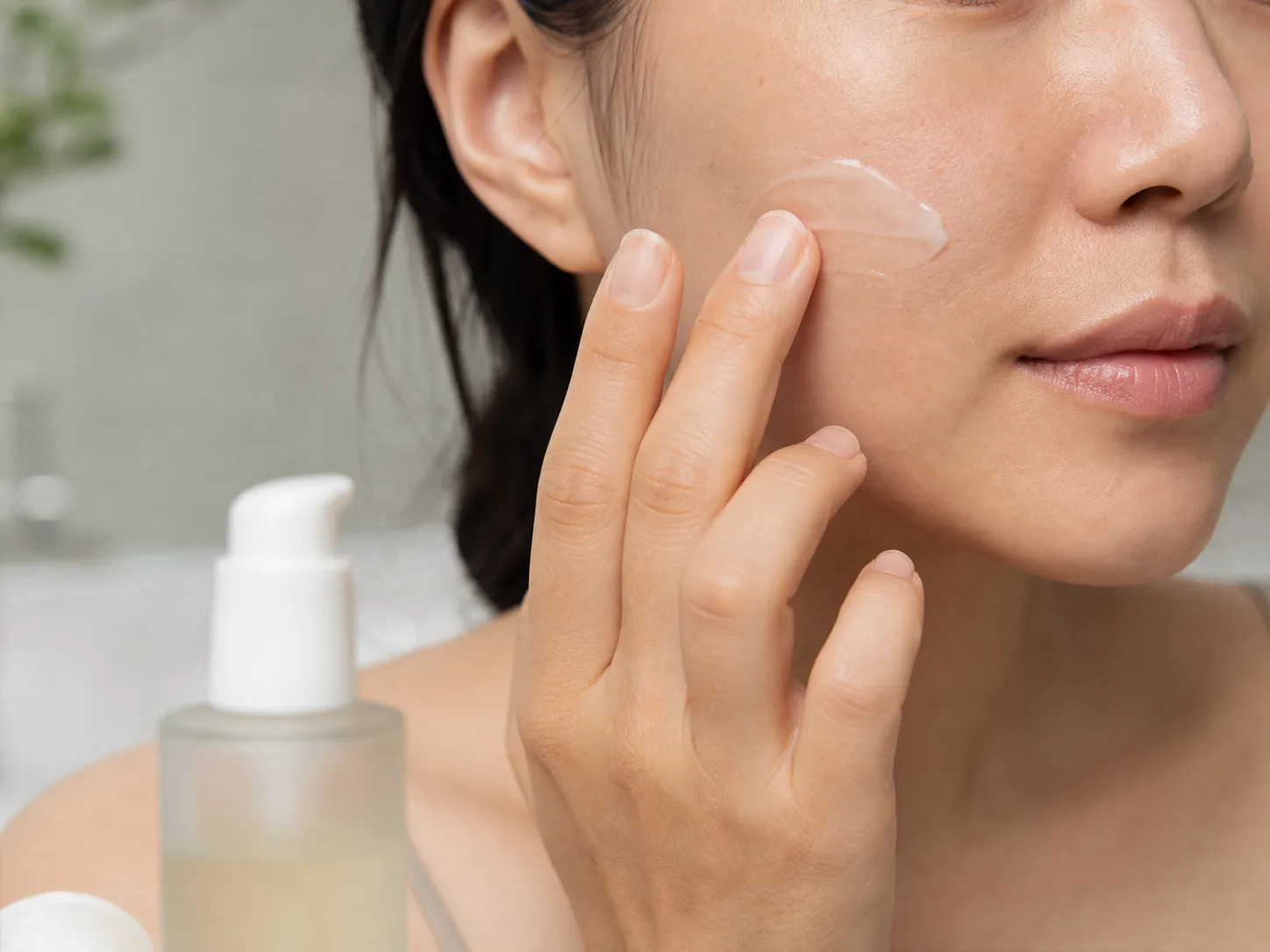
Vitamin C can recycle tocopherol after it takes part in an antioxidant reaction. Tocopherol changes as it intercepts a radical, and vitamin C helps return it to a form that can work again. This cooperation, along with their preference for watery and lipid environments, explains why vitamin C and vitamin E are often paired. Research on the interaction of vitamins C and E
A 2003 study tested 15% L-ascorbic acid with 1% alpha-tocopherol on pig skin. After four days of application, the combination reduced UV-induced redness and sunburn cell formation more than either ingredient alone. The experiment tested a specific formula in animal skin, not every vitamin E cream. An antioxidant serum can complement sunscreen, but it does not replace it. The 2003 topical study
Does vitamin E heal scars?
The idea that topical vitamin E removes scars or speeds wound healing has circulated for years, but cosmetic tocopherol should not be treated as a scar treatment. Evidence for scar improvement is not strong enough to make that a reliable expectation, and some people develop contact irritation from high-strength vitamin E products. Do not apply a cosmetic oil to an unhealed wound or a fresh procedure site unless a clinician has advised it.
What products suit it?
Tocopherol commonly appears in creams, face oils, balms, eye products, and sunscreens. Dry skin may prefer it in a cream with ceramides, squalane, or fatty alcohols. Oily skin or anyone who dislikes a coated finish should check the total oil and wax balance before focusing on the vitamin E label.
Ingredient order gives some context but does not reveal an exact concentration when the manufacturer has not disclosed one. Tocopherol near the end of a list can still support formula stability or conditioning, while a higher position does not guarantee a dramatic skin change.
Where Tocopherol fits in a routine
Use a tocopherol product according to its directions. An oil or balm can be pressed over a serum or moisturizer, while a richer cream may fit best as the last step at night. Patch testing is sensible when the formula also contains fragrance, essential oils, or other active ingredients.
Tocopherol is not automatically irritating for everyone, but a rich formula can feel heavy and some people may notice redness, itching, or breakouts. If a reaction appears, assess the whole formula instead of assuming that the vitamin E name is the only possible cause.
Sources used
- COSMILE Europeidentity, cosmetic functions, origin, and product context
- Cosmetic Ingredient Reviewcosmetic-use safety and function assessment
- PubChemalpha-tocopherol formula and structure data
- INCIDecoderconsumer skincare context and scar-claim limitations
- Ministry of Food and Drug SafetyKorean regulatory context for tocopherol and tocopheryl acetate
- Oregon State University — Vitamin EHydrogen donation and interruption of lipid oxidation
- Interaction of ascorbate and alpha-tocopherol (1987)Ascorbate recycling of tocopherol
- UV photoprotection by combination topical antioxidants vitamin C and vitamin E (2003)Four-day pig-skin experiment with 15% vitamin C and 1% alpha-tocopherol
- 썸블라썸 - 토코페롤 성분의 효능 및 효과Ingredient characteristics and cosmetic use