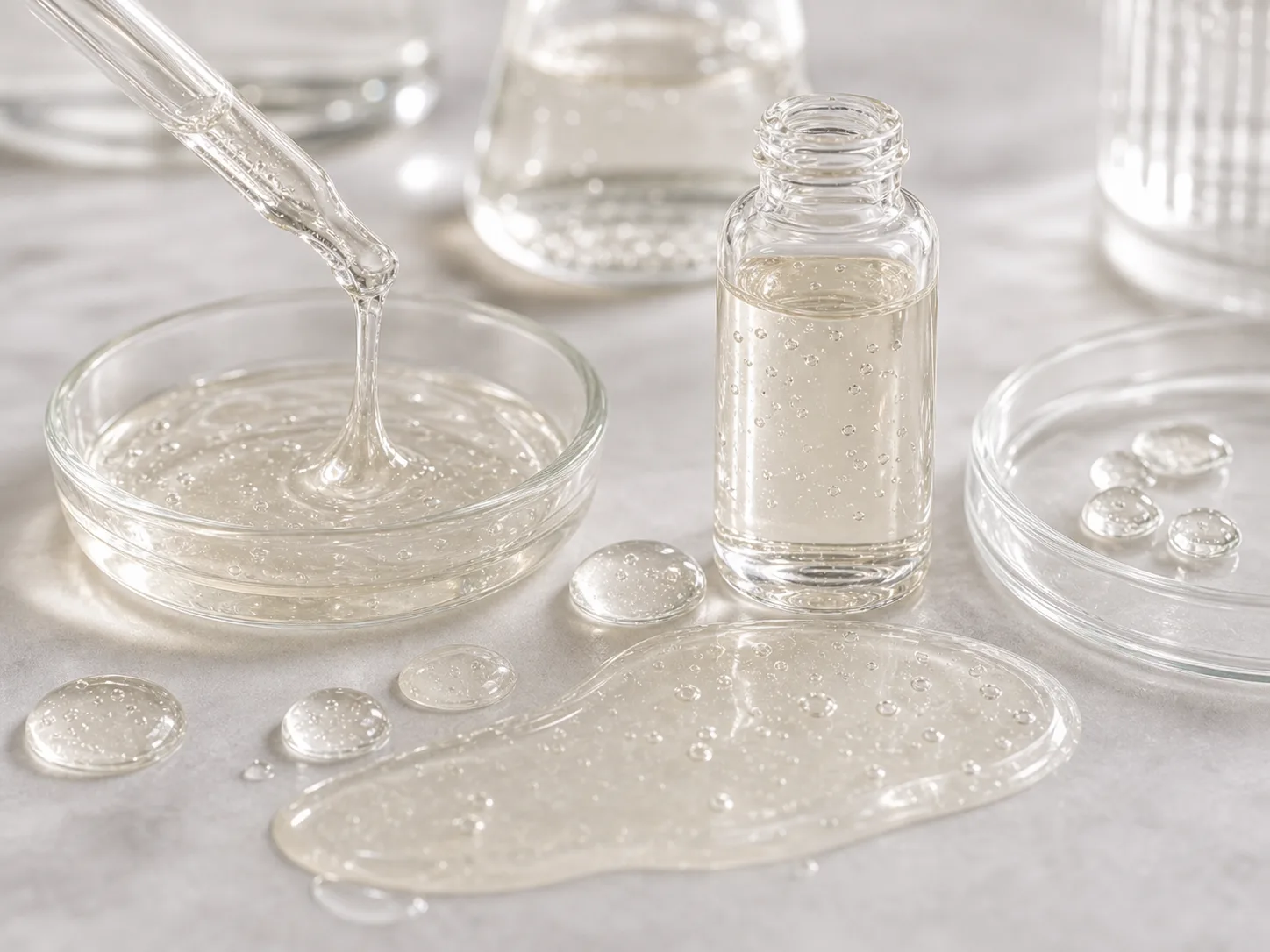
The first benefit is a water-binding film
Snail mucin serum creates an elastic, slippery layer that flattens dry flakes and adds glow. Snail Secretion Filtrate is a processed mixture containing glycoproteins, glycosaminoglycans, and other materials; it is not one molecule with one formula.
Composition varies by species and processing. The finished serum also relies on glycerin, panthenol, hyaluronic acid, and the moisturizer layered over it.
What research has found about skin repair
Laboratory and small cosmetic studies explore recovery-related effects, but retail serum cannot promise to heal wounds or scars. The realistic benefit is softer, more supple, smoother-looking skin because it stays hydrated.
Apply a small amount to damp skin and let it settle before cream. Reduce pumps if sunscreen pills. Very dry skin still needs lipids over the humectant layer.
Biological mixtures can cause allergy. If you have dust-mite or mollusk allergy concerns, ask a clinician about the product before trying it. Stop for itching, hives, eyelid swelling, or spreading redness, and never use an ordinary essence on open or infected skin.
What a “96% filtrate” label means
A product described as 96% snail secretion filtrate may contain 96% of a supplier’s filtrate solution. That solution can itself contain water and processing components; it does not mean the bottle is 96% purified mucin protein. Raw-material solids and specifications vary among suppliers, so front-label percentages are poor tools for comparing brands unless the basis is disclosed.
Look at the ingredients surrounding the filtrate. Sodium hyaluronate, panthenol, allantoin, betaine, and glycerin strengthen the hydration story. A cream with waxes, esters, and oils provides more water-loss protection but may feel too occlusive for someone prone to closed comedones.
Possibilities beyond hydration
Snail secretions contain materials investigated for antioxidant activity, cell migration, and tissue-response pathways. Small studies have examined photoaging lines and texture, but snail species, processing, and finished formulas differ. Other actives may be present in the tested product. That makes “stimulates collagen” or “regenerates scars” too strong as a universal retail-serum promise.
For acne-prone skin, better hydration can improve tolerance of drying treatments. The filtrate itself is not a clinically established pore-clearing acid or primary acne medication. Salicylic acid, benzoyl peroxide, or retinoids may still be needed for their distinct jobs.
Essence, serum, or cream?
An essence often showcases the characteristic stringy, slippery texture and works as a lightweight humectant layer. A serum may combine mucin with niacinamide, peptides, or brighteners, so its main benefit depends on the full formula. A snail cream adds an emulsion’s oil phase and is better at slowing evaporation.
Dry skin may prefer the cream without needing a separate mucin essence. Oily or humid-climate skin may find an essence plus sunscreen sufficient. Layering three snail products does not multiply a repair mechanism; it mostly increases polymer film, tack, and the chance of pilling.
Ethical sourcing and product quality
Brands describe methods that encourage snails to secrete material without killing them, but husbandry and collection standards vary. Snail filtrate is animal-derived and is not vegan. If sourcing matters, look for specific supplier or certification information rather than assuming a cruelty-free finished-product claim answers every raw-material question.
The filtrate is water-rich and requires effective preservation. “Preservative-free” is not inherently better. Avoid touching bottle openings, close the package, and follow the period after opening. A sudden odor, color, or viscosity change should not be dismissed as a natural property.
Distinguishing texture from reaction
Tack and elastic slip are normal sensory features. Burning, persistent itching, hives, or swollen eyelids are not. If you have a known allergy and are concerned about a reaction, ask a clinician before trying the product; a home patch test is not a way to rule out an allergy.
A patch test cannot guarantee that the entire face will tolerate daily use. During the first week, apply a thin layer to a limited area rather than using it as a thick overnight mask. Discontinue and seek care for significant swelling or breathing symptoms.
Sources used
- Mayo Clinic Press snail mucinbenefits and limits
- AAFA allergist answerallergy caution
- Snail extract for skin: A review of uses, projections, and limitationshydration and anti-aging research plus the limitation that most evidence is preclinical or from small trials
- Influence of extraction method on commercial snail secretion filtrateshow collection and extraction methods change filtrate composition and functional properties