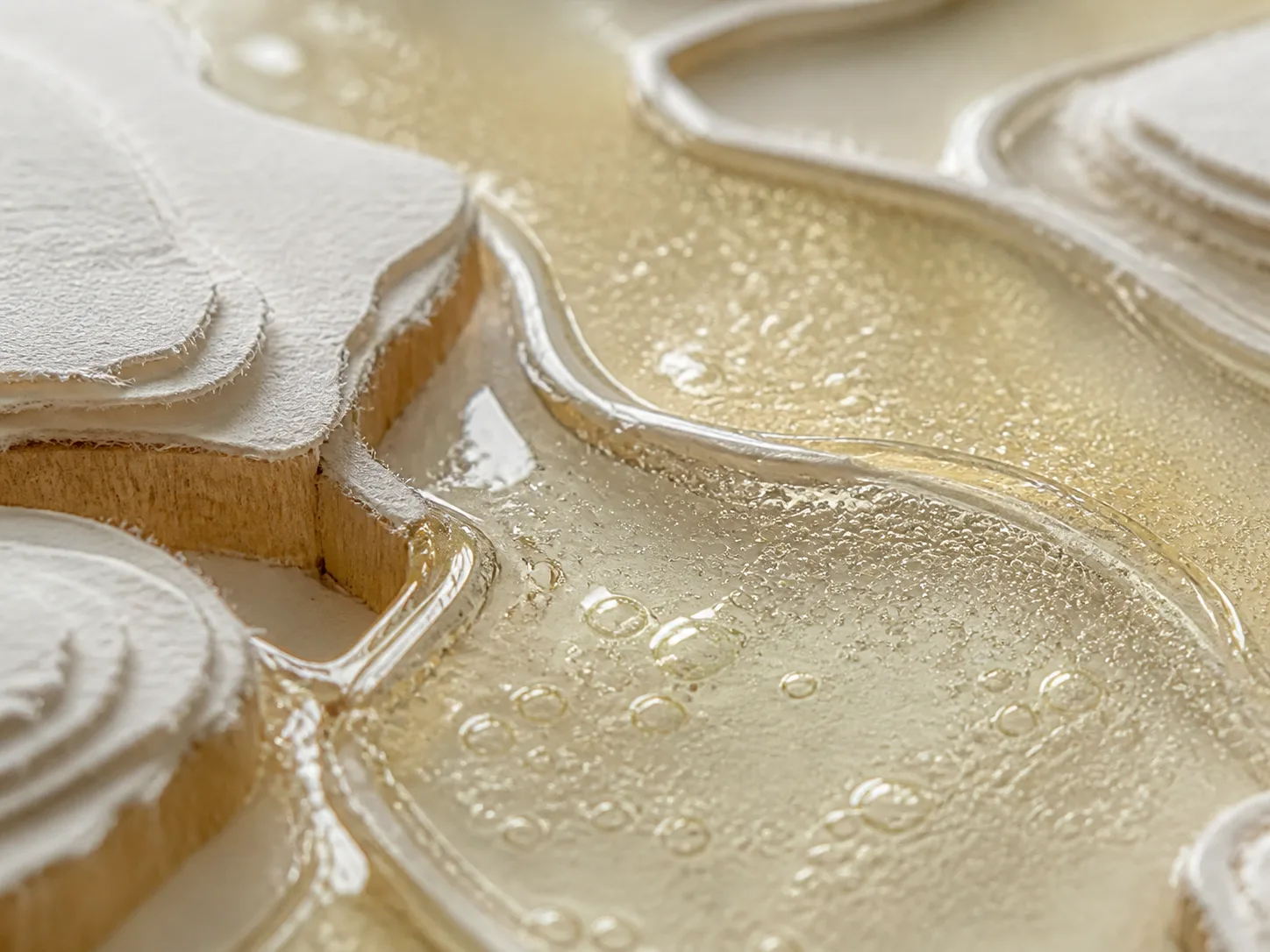
What yeast ferment filtrate contains
Two essences can both advertise yeast ferment and still contain different materials. Saccharomyces Ferment Filtrate is the liquid left after Saccharomyces yeast grows in a controlled medium and the cells and larger debris are filtered out. It is inactive, water-soluble fermentation material, not a probiotic that keeps growing on the face.
The word “filtrate” narrows the identity. A lysate includes material released when cells are broken apart. An extract comes from another extraction step. Galactomyces Ferment Filtrate and Saccharomyces/Rice Ferment Filtrate use different organisms or substrates. Their studies are not interchangeable just because all of the names involve fermentation.
What you are likely to notice on skin
COSMILE Europe classifies Saccharomyces Ferment Filtrate as a humectant. Depending on the strain, feed material, and fermentation conditions, the liquid may retain amino acids, sugars, organic acids, peptides, and other soluble metabolites. In a cosmetic, these materials can contribute to a softer, less tight surface feel by helping hold water at the skin surface.
That role makes the most sense in an essence, serum, lotion, or cream. If cleansing leaves skin tight but a heavy cream feels uncomfortable, look for a light product that pairs the filtrate with glycerin, betaine, or panthenol. If the comfort disappears within an hour, the missing piece may be lipids or film formers rather than more ferment: ceramides, fatty acids, squalane, and emollients help slow evaporation.
Ingredient-list position cannot predict all-day hydration. A watery essence may feel supple at first and still be too light for dry air. Fragrance or exfoliating acids can also make a product sting even when the ferment ingredient itself carries a gentle reputation.
What the cell studies measured
A study of one Saccharomyces cerevisiae Y017 filtrate measured oxidative stress, UVB response, inflammatory markers, collagen I, and ATP in HaCaT keratinocytes and fibroblasts. Researchers also examined Ki67 and tissue shape in a reconstructed 3D epidermis. The experiment suggests that this particular strain and fermentation liquid can alter cellular responses under controlled conditions.
Cultured cells received direct exposure. Facial skin receives a diluted mixture across an intact stratum corneum. Without composition, dose, penetration, and repeated-use data in people, a Ki67 change in reconstructed tissue cannot answer whether a generic ferment product reduces wrinkles or speeds “regeneration.”
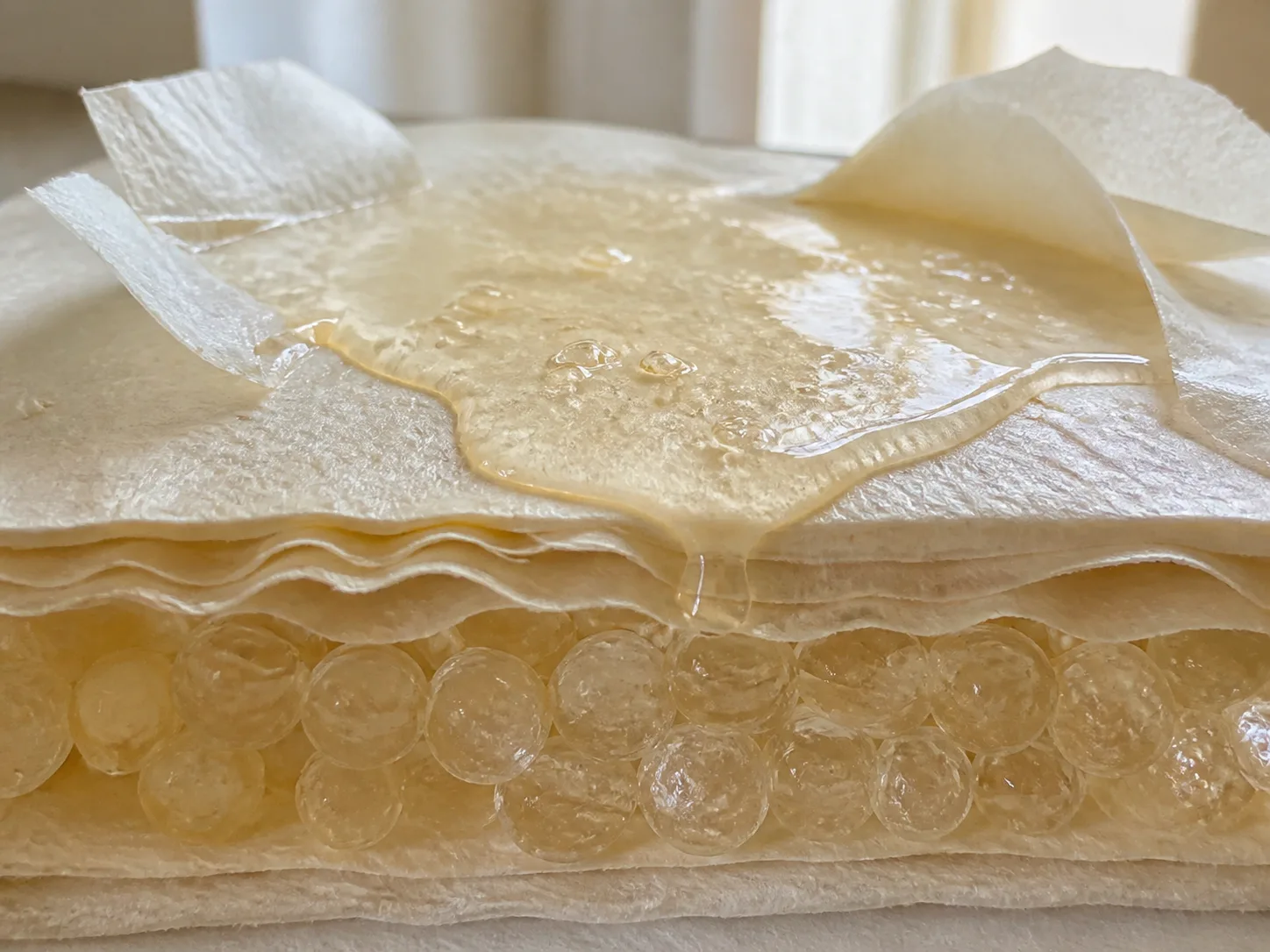
There is also a scalp study of a postbiotic complex containing Saccharomyces and Lactobacillus filtrates. It tracked discomfort and microbial populations, but the two ferments and product base acted together. The study helps explain a multi-ferment scalp formula; it does not measure Saccharomyces Ferment Filtrate as a stand-alone facial moisturizer.
If one fermented product irritated you
Products with the same INCI can differ in yeast strain, substrate, fermentation time, filtration, preservation, and concentration. A reaction to one essence does not identify every ferment as the cause. Tolerating one product does not predict the next one either.
Reactive skin can test the complete product below the ear or along the jaw for two days. Wash it off and stop if persistent burning, swelling, hives, or itching appears. A known yeast allergy or serious skin condition calls for individual medical advice.
The Cosmetic Ingredient Review panel found Saccharomyces Ferment Filtrate and related yeast-derived ingredients safe in current cosmetic practices and concentrations. That conclusion separates inactive cosmetic filtrates from high-concentration exposure to live yeast. It does not assess every fragrance, preservative, or acid used beside the filtrate.
Sources used
- Korea Cosmetic Association ingredient reference
- COSMILE Europe: Saccharomyces Ferment Filtrate
- Study on skincare properties of Saccharomyces ferment filtrate
- Bioferments and Biosurfactants as New Products with Potential Use in the Cosmetic Industry
- Effects of a postbiotic Saccharomyces and Lactobacillus ferment complex on sensitive scalp
- CIR Safety Assessment of Yeast-Derived Ingredients