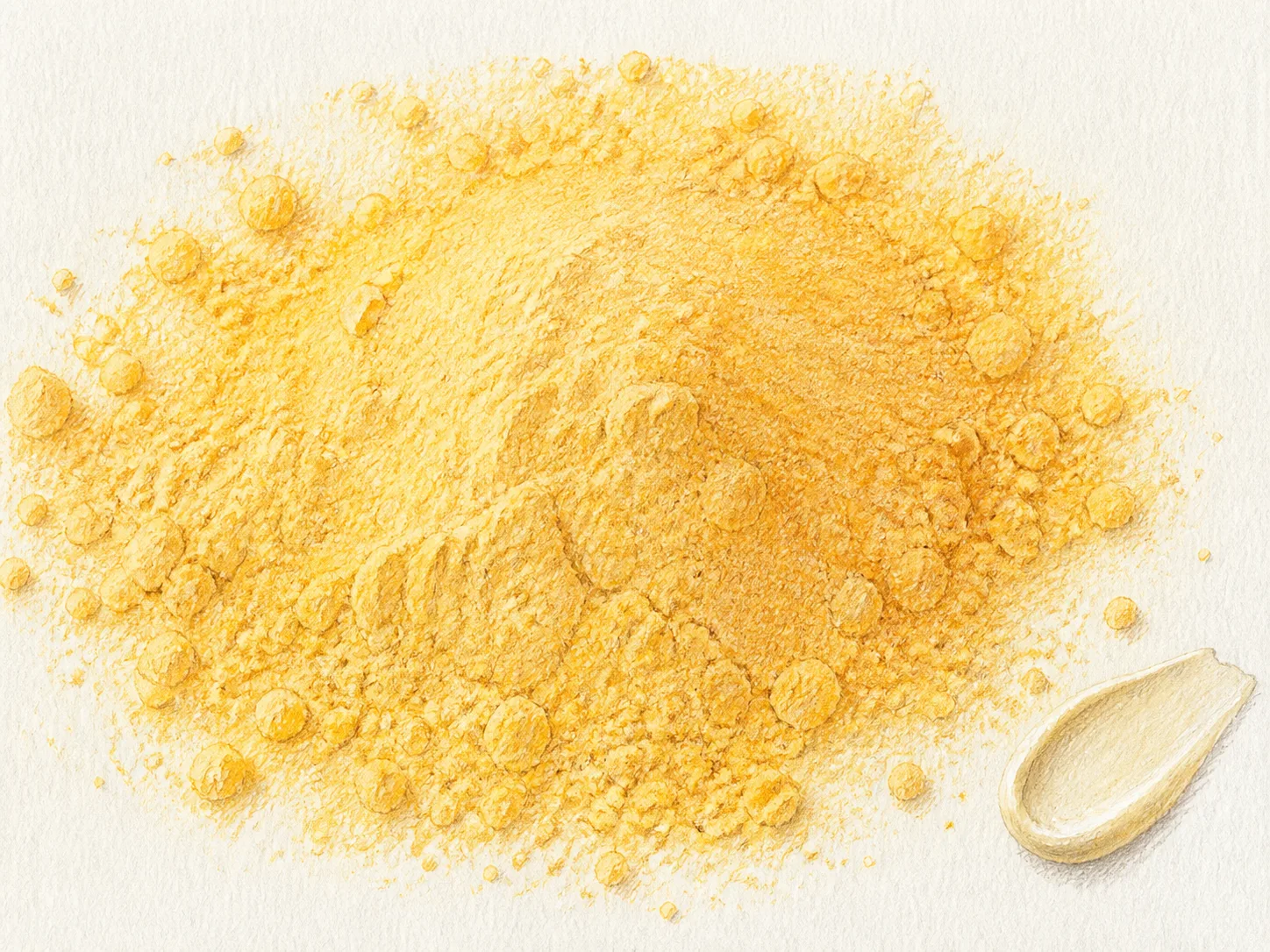
Ubiquinone is the oxidized form of coenzyme Q10, a lipid-soluble antioxidant used in serums and creams. It helps reduce oxidation in lipids. The effect of a topical product depends on how much Q10 it contains, how stable it remains, and how the formula delivers it to skin.
Benefits and what topical studies show
Topical Q10 is studied for antioxidant protection and signs of photoaging. In a 2015 study, 14 days of Q10-formula use increased epidermal Q10; participants with elevated oxidative stress also showed lower free-radical markers. Earlier research reported reduced wrinkle depth and less collagenase expression in UVA-exposed skin cells. These findings help explain its use in anti-aging creams, but apply to the tested preparations—not every Q10 product.
How Q10 works
Q10 exchanges electrons as it cycles between ubiquinone and its reduced form, ubiquinol. Ubiquinol helps neutralize reactive molecules and interrupt lipid oxidation. Within mitochondria, Q10 also carries electrons in the process that produces cellular energy. A review of Q10 and aging describes both functions.
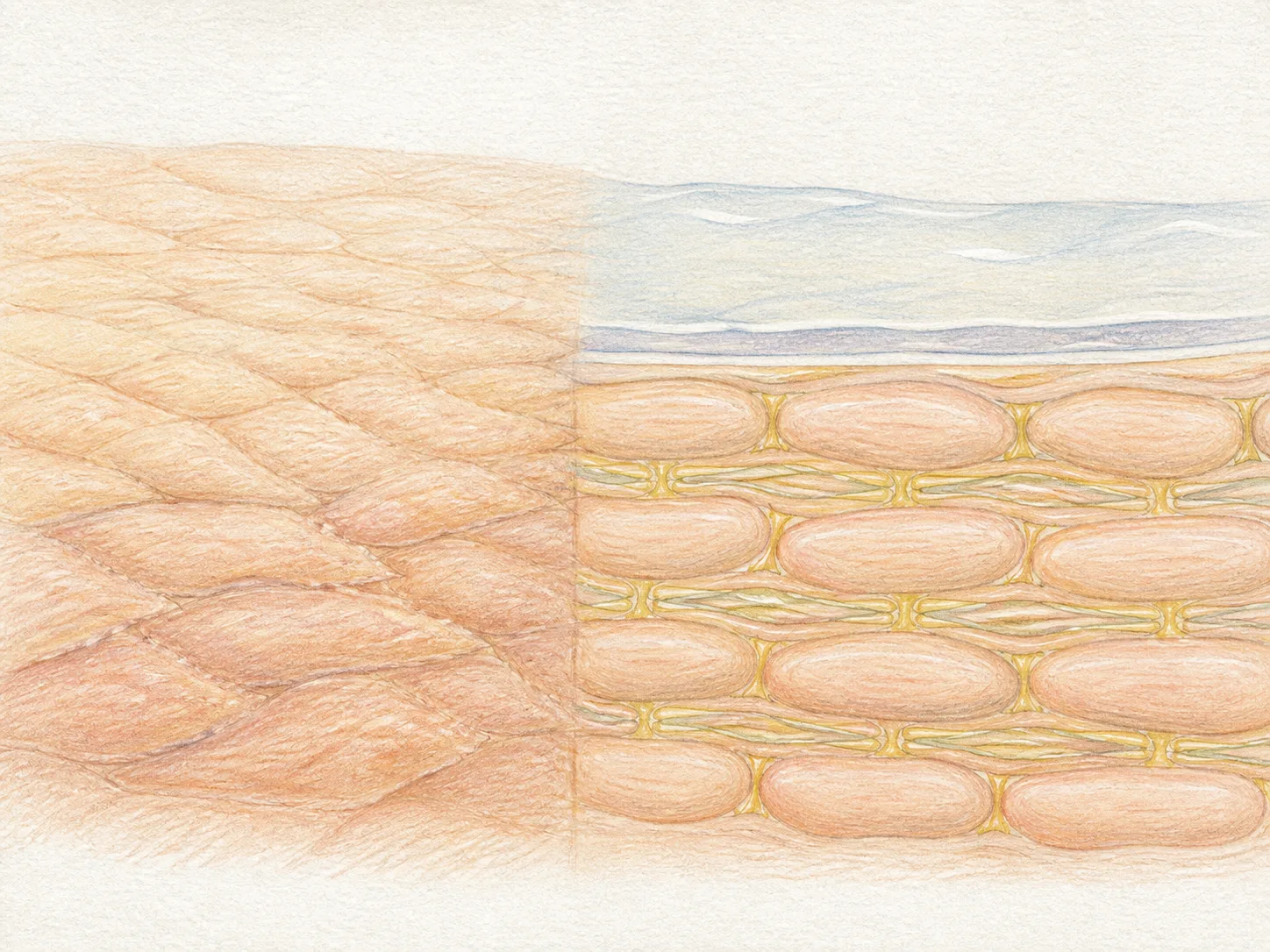
Collagenase is an enzyme that breaks down collagen. Reducing its expression in UVA-exposed cells helps explain the interest in Q10 for wrinkles, but a cell measurement is different from a visible change in a person’s skin. The earlier topical research also measured wrinkle depth, so there is a skin-appearance result to discuss alongside the laboratory mechanism.
A moisturizer may soften dehydration lines soon after application because it hydrates the outer layer. That immediate effect is separate from Q10’s antioxidant action. When comparing products, distinguish a claim about moisture or smoothness from one supported by a trial measuring wrinkles. A Q10 cream can provide both moisturizing ingredients and Q10, but the ingredient name alone does not tell you which effect a study measured.
Choosing and using a formula
A lighter serum may suit people who dislike a rich finish, while a cream can fit a dry-skin routine when it also includes humectants and emollients. Use sunscreen separately in daytime. Introduce one new product at a time, use a small test area first, and watch for irritation from fragrance or the broader formula rather than assuming the Q10 itself explains every reaction.
If the product changes colour or odour markedly after opening, do not keep using it simply because it contains an antioxidant ingredient. Note the opening date and store it away from direct heat and light.

A way to test the fit of the routine
Keep the rest of your routine steady for two or three weeks. Notice whether the product pills under sunscreen, leaves the cheeks comfortable by late afternoon, or makes a rich evening routine feel congested. A couple of applications can help you assess texture, but not long-term skin changes. If you are also introducing a retinoid or exfoliant, stagger the changes. That preserves a clearer answer if irritation appears and avoids giving one highlighted ingredient credit or blame for the whole routine.
Sources used
- Korea Cosmetic Association ingredient referenceKorean standard name and structural identity
- Source from coos.krKorean cosmetic-function and naming context
- Topical treatment with coenzyme Q10-containing formulastopical formula and antioxidative-effect context
- Coenzyme Q10, a cutaneous antioxidant and energizertopical Q10 evidence and limits
- Comparative topical absorption and antioxidant effectiveness of CoQ10formulation-dependent absorption context